

PRIME Study Press Release
Latest research from the PRIME team advising on the communication and decision support needs should the choice of sampling method be incorporated into cervical screening in the UK.
Press release here: https://www.cardiff.ac.uk/news/view/2906163-at-home-cervical-screening-scientists-advise-on-self-sampling-tests
“The introduction of HPV self-sampling as a choice for individuals in the UK needs to be supported by a robust communication strategy. This is vital in increasing public awareness and engagement. This must also be accompanied by decision support to facilitate informed decision-making when individuals are provided with a choice” Succeed Study PI, Dr Denitza Williams.

 Leigh Sanyaolu awarded the Lesley Jones Award for Post-Graduate Student Excellence
February 2025
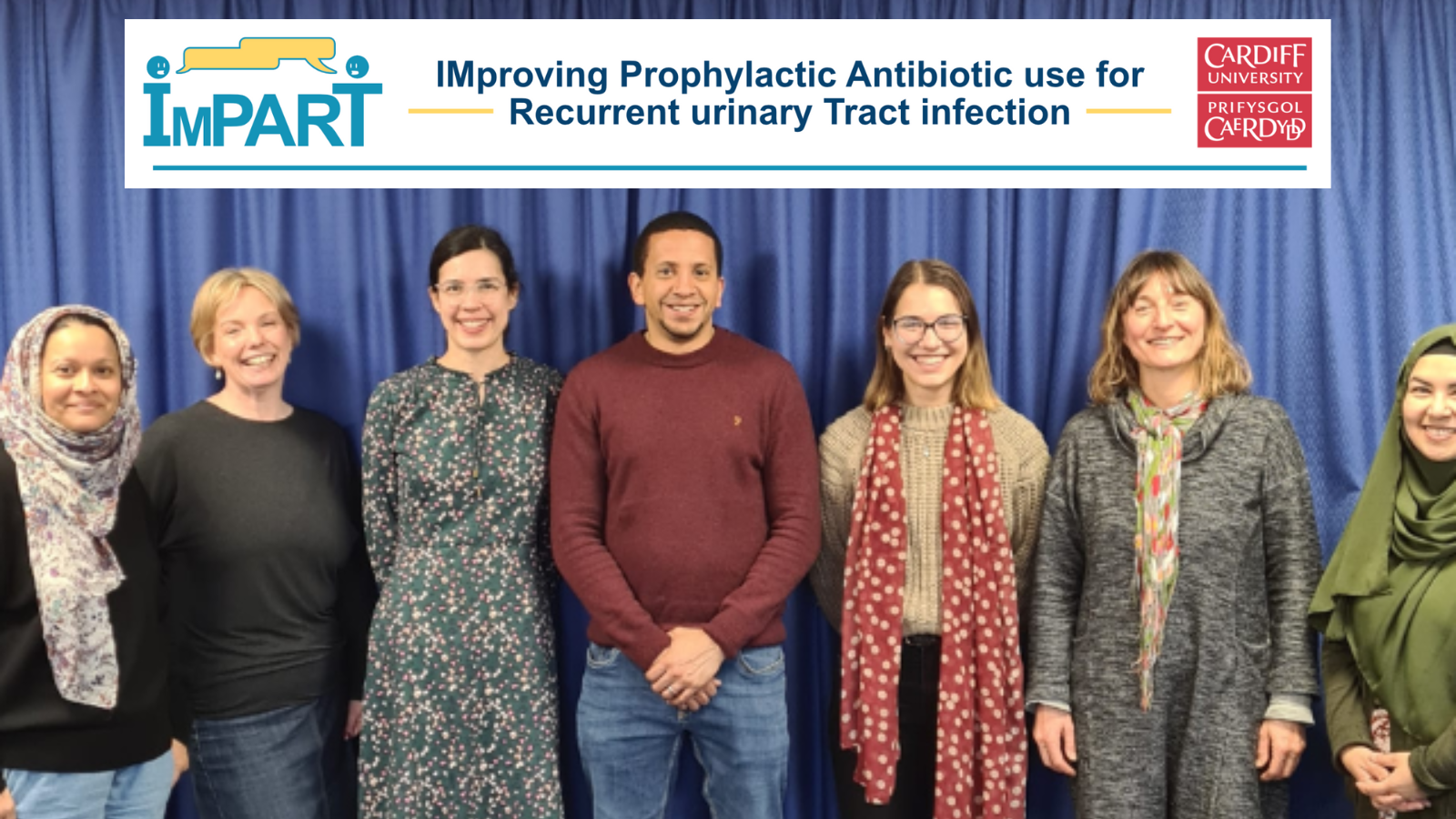
Congratulations to Leigh Sanyaolu (pictured right, centre), who has won the top prize at the Cardiff University Post-Graduate Research (PGR) Excellence at the School of Medicine Awards 2024, which celebrates the outstanding achievements of students and supervisors.
The ceremony, held on the 6th of February, included awards across different categories, including Student Awards for Engagement, Research Culture, Impact and Innovation, Outstanding Support Staff, and Outstanding Supervisor, culminating in the Professor Lesley Jones award for PGR Student Excellence.
The Professor Lesley Jones Award for PGR Student Excellence is open to final year PGR students, recognising outstanding academic excellence and achievement in their PhD study. This prestigious award is in memoriam of Professor Lesley Jones and celebrates her legacy to both students and science.
As well as studying for a PhD at the Division of Population Medicine, Cardiff University, Leigh is also a Health and Care Research Wales NIHR Doctoral Fellow based at PRIME Centre Wales and a practicing General Practitioner in South Wales.
Leigh comments:
"I feel incredibly proud and honoured to receive the Professor Lesley Jones Award. I am immensely grateful to all those who have supported me throughout my PhD, including my supervisors Dr Ahmed, Dr Cannings-John, Professor Wood and Professor Edwards, my public involvement team, colleagues at the Division of Population Medicine and PRIME Centre Wales, and my funder Health and Care Research Wales. I would also like to say congratulations to all the other finalists and winners."
Leigh's PhD is entitled: 'IMproving Prophylactic Antibiotic use for Recurrent urinary Tract infections (IMPART): a mixed-methods study to address evidence gaps and develop a decision aid', and he is supervised by Harry Ahmed, Rebecca Cannings-John, Fiona Wood and Adrian Edwards.
Well done to Brittany Nocivelli, also from the Division of Population Medicine, who recently submitted her PhD thesis for examination which was funded by Health and Care Research Wales. Brittany was a finalist in the category of PGR Student Award for Research Culture, recognising her outstanding contribution to the culture of research environments.
 Supporting parents to speak up for their unwell child - The ADVOCACY study
February 2025
PRIME Centre Wales clinical researcher and GP, Dr Thomas Purchase, talks about his research: 'Supporting parents to speak for their unwell child - The ADVOCACY study' in the Children in Wales magazine. Read the full article here (see page 12).
 Professor Clare Wilkinson recognised in 2025 New Year Honours
January 2025
Congratulations to Clare Wilkinson, Associate Director of PRIME Centre Wales and Emeritus Professor of General Practice, North Wales Centre for Primary Care Research, Bangor University, who has been awarded an OBE for services to Primary Care Research, Teaching and Practice.
Professor Clare Wilkinson (MB ChB DRCOG FRCGP MD) is a Clinical Professor of General Practice at Bangor University, who is part retired, and continuing in an Emeritus role. She worked for over 30 years as a GP in Wales and parts of England, preferring to work in areas of deprivation as there was always much to be done. Her research has been based on practical clinical problems, often to do with cancer or end-of-life care from a primary care perspective.
She has won over £14M in grant capture, £7M research infrastructure, and contributed to over 170 research publications. She is a recent past Chair of the Primary Care Panel for the National Institute for Health Technology Assessment Programme, and recent past member of the NIHR Research Chairs Funding Committee, and served on various other NIHR committees including the HTA. She attributes her MBE to the many excellent clinical and research teams she has worked with over the years.
 PRIME Centre Wales awarded funding for 2025-2030
January 2025
We are delighted to announce that PRIME Centre Wales has been awarded £2,996,483 of Sustainability Funding from Health and Care Research Wales, Welsh Government, to continue to deliver high-quality research in primary, emergency and un-scheduled care over the next five years.
PRIME Centre Wales benefits the NHS and the people of Wales by providing a strong academic and evidence base to underpin primary and emergency care.
Our collaborative work between leading academics, individuals, communities, and organisations is essential in co-producing large-scale high-quality research with impact.
This underpins improvements to primary and emergency services, bringing innovative services closer to communities, empowering patients and families in their care, making services more integrated and person-centred, and ensuring that the population of Wales receives the greatest benefit from the health and social care resources available by adopting an equitable and value-based healthcare approach.
Professor Adrian Edwards, Director, PRIME, Cardiff University comments:
"It’s tremendous news that PRIME is funded again for the next 5 years. It’s testament to the hard work of all colleagues and partners, excellent research and important impact that our work achieves to improve primary and emergency care. We are really looking forward to working with all colleagues going forwards."
Professor Helen Snooks, Associate Director, PRIME Swansea adds:
"We are delighted to have the opportunity to continue to lead and support research from Swansea in the crucial areas of prehospital, emergency, and primary care in Wales, with a focus on delivering evidence that is relevant, inclusive and makes a difference in the real world."
 Inverse Care Law event
Research dissemination event
November 2024
A special event was held on November 18th to disseminate findings from a study led by Dr Jonathan Currie, GP researcher at PRIME Centre Wales and Division of Population Medicine, Cardiff University, recently published in BJGP Open. The study revealed that for every 10% increase in patients at GP practices in the most deprived areas in Wales, those practices receive 1% less in funding due to current policies.
The event, held at Cardiff University, brought together GPs and GP leaders from practices at the deep end of funding in Wales, representatives from the profession and each of the political parties in the Senedd to discuss how general practice in Wales could more fairly meet the needs of patients to address the Inverse Care Law.
Following the publication, Andrew RT Davies MS has raised a written question in the Senedd, asking the Cabinet Secretary to respond to the findings. The research highlights a significant funding disparity, with lead author Dr Currie calling for urgent action to address this inequity, which contributes to worsening health inequalities in Wales.
Dr Currie comments:
"On behalf of Deep End Cymru and our Inverse Care Law study group I would like to thank PRIME, the Division of Population Medicine and Cardiff University for their support in drawing attention to our findings that patients are at risk of harm in areas of greater deprivation, due to unfairness in funding policies for which Welsh Government could mitigate through a range of approaches.
We will continue to highlight the range of impacts the Inverse Care Law is having in Wales and welcome feedback from colleagues and patient groups on how and where we can do this best."
Read the research paper here.
 European Pharmacovigilance Congress 2024 award for best article
October 2024
Congratulations to Professor Andrew Carson-Stevens and research collaborators at the University of Manchester, who have been awarded the 'Best Article' prize at the European Pharmacovigilance Congress 2024 for their research published in the Therapeutic Advances in Drug Safety Journal.
Professor Carson-Stevens comments:
"We reviewed medication safety incident reports from England and Wales over a 5-year period to better understand what kind of medication safety problems occur after hospital discharge and why they happen, so we can find ways to prevent them from happening in future.
The study identified attention to medications for the cardiovascular and central nervous systems (e.g., via incorporating them in prescribing safety indicators and pharmaceutical prioritisation tools) is needed, alongside other priorities including staff skill mix (e.g., embedding clinical pharmacist roles at key parts of the care pathway where greatest risk is suspected) and the implementation of electronic interventions to aid timely communication of information between healthcare providers."
Publication citation: Alqenae FA, Steinke D, Carson-Stevens A, Keers RN. Analysis of the nature and contributory factors of medication safety incidents following hospital discharge using National Reporting and Learning System (NRLS) data from England and Wales: a multi-method study. Therapeutic Advances in Drug Safety. 2023;14. doi:10.1177/20420986231154365
 There is an urgent need to restore fairness in the funding for GP practices in Wales
October 2024
A new study has found that current funding levels for GP and primary care services are unfair – with practices based in some of the poorest areas of Wales with the highest patient demand receiving less money than those in the most affluent areas.
In the first study of its kind published in October in the British Journal of General Practice Open, researchers have found that for every 10% increase in patients at a GP practice from the most deprived areas in Wales, they are receiving 1% less in funding due to current funding policies.
Working with primary care researchers in NHS Wales, Public Health Wales and Northern Ireland, the team analysed funding data for general practices in Wales between 2014 and 2022. They explored the fairness of distribution using the percentage of practice patients living in the 20% most deprived small areas in Wales.
The team found that although practice funding rose for all practices in this 8-year period, GP practices in Wales’ most deprived areas received significantly less funding per patient than the most affluent areas.
Dr Jonnathan Currie, a practicing GP in Wales and Honorary Clinical Lecturer based at PRIME Centre Wales, at Cardiff University’s Division of Population Medicine led the study. He said:
“As the first point of contact with health services for the majority of people, primary care – our GP practises - are a key setting for improving local population health. This underinvestment in areas of the most need is likely to be contributing to existing health inequalities and needs further analysis and action."
 Text message reminders can help to improve tooth brushing habits in teenagers
October 2024
Researchers from PRIME Centre Wales, Cardiff University and the Universities of Sheffield, Leeds, York and Dundee, have collaborated to investigate the effectiveness of a new programme designed to encourage better brushing habits and reduce tooth decay in secondary school pupils.
The BRIGHT trial examined the effect of twice-daily text message reminders for toothbrushing on 4,680 students between the ages of 11 and 13, spanning 42 schools across England, Scotland and Wales. The researchers tracked the trial’s impact over two and a half years.
Professor Zoe Marshman, from the University of Sheffield’s School of Clinical Dentistry, who co-led the BRIGHT trial, said: “Tooth decay and all its negative consequences such as toothache, loss of sleep and problems eating are very common in children of secondary school age. While school-based initiatives for children between the ages of 4-11 have been delivered for decades, there is very little for secondary schools.
“However, this is a critical stage for toothbrushing practices to become an established behaviour for adulthood. This is why it is vital to help young people to improve their understanding of the importance of toothbrushing and skills to prevent tooth decay.”
The study showed that text message reminders had a positive effect on brushing habits six months later, showing particular benefit for students from low-income families - as the analysis found some evidence of prevention of tooth decay for these students.
Major clinical tools for assessing seriously unwell children were not able to identify these children in general practice
October 2024
Research led by PRIME Centre Wales has been featured in a British Journal of General Practice podcast interview and blog published by NB Medical Education.
The research found that a major clinical tool, recently introduced in hospitals throughout England to help healthcare professionals spot unwell young children, would not be accurate in general practice in its current form.
The National PEWS (Paediatric Early Warning Score), recently introduced in England, helps healthcare professionals identify seriously unwell children in hospitals. PRIME Centre Wales, in collaboration with primary care experts from the Universities of Bristol, Oxford, and Liverpool, tested its suitability for general practice.
Podcast - please click the image below to listen
Blog - please click the image below to view
 PRIME Centre Wales researchers are examining how the use of WhatsApp to increase prostate cancer awareness
September 2024
New research funded by Cancer Research UK will fund a collaborative project at Cardiff University to examine the effectiveness of using WhatsApp as a tool for sharing cancer risk information among peers in the black community.
The funding has been awarded to Dr Sarah Fry (study principal investigator), a Senior Lecturer of Adult Nursing at Cardiff University School of Healthcare.
On receiving the funding, Dr Fry comments:
“Black men have a high risk of prostate cancer, with a 1 in 4 risk of developing the disease and currently have low rates of diagnosis. We want to develop a sustainable way of increasing awareness of prostate cancer within these communities, which is essential for early detection and diagnosis.”
In partnership with two lay participant co-investigators in the African-Caribbean and Somali communities in Cardiff, researchers from Cardiff University’s School of Healthcare Sciences, School of Medicine and School of Computer Science and Informatics, will conduct a pilot study to test if using peer-led WhatsApp groups can improve awareness and potentially increase early detection and diagnosis amongst black men.
“We decided to use the WhatsApp platform for this project as my previous work, supported by Cardiff University Future Leaders in Cancer Research, has suggested that men in the black community would prefer to receive health information from friends in WhatsApp groups. In my work, I have found that African and African Caribbean communities have a culture of learning from each other,”
added Dr Fry.
Professor Kate Brain (mentor and collaborator, PRIME WP7 co-lead) and Dr Harriet Quinn-Scoggins (co-applicant, PRIME Research Associate WP7), are both supporting the delivery of this project.
 New study: Multi-agency framework with black and minority, ethnic women for violence against women, domestic abuse and sexual violence
October 2024
Congratulations to Dr Sarah Wallace (pictured right), who has successfully bid for funding from the Health and Care Research Wales Integrated Funding Scheme - Arm 2: Health and Social Care Services and Public Health Research. The funding has been awarded to researchers not only for their individual projects but also to support the development of their careers.
Sarah Wallace is a Senior Research Fellow at the Welsh Institute for Health and Social Care (WIHSC) and PRIME Centre Wales at University of South Wales (USW), and co-founder and co-chair of the Violence Against Women, Domestic Abuse and Sexual Violence (VAWDASV) Research Network Wales.
The project involves co-developing a multi-agency framework with black and minority, ethnic women for violence against women, domestic abuse and sexual violence. Sarah has been supported with some PRIME funding, and this is her first award as PI/CI so it's especially good news.
In partnership with Bawso Ltd, the study uses a qualitative multi-method design (interviews, focus groups, digital stories) using a Community Based Participatory Research approach to explore the needs and experiences of ethnic minority women, acknowledging the disproportionate impact of specific forms of VAWDASV together with additional barriers faced when disclosing and reporting abuse, including distrust of authorities, language barriers, immigration concerns, and fears of racism.
Dr Wallace comments:
“This project will work directly with ethnic minority women in Wales to co-create solutions that ensure their voices are heard and their experiences shape the services designed to protect them.
By improving how services work together, we can have a real impact on both individual well-being and societal change. Working closely with Bawso and their service users to inform this work is central and we are delighted to be able to deliver this project as a partnership”.
Project title: Listening is a big step: Co-developing a multi-agency framework with Black and Minority Ethnic women for Violence Against Women, Domestic Abuse and Sexual Violence
Start date: 1 October 2024 (£329,726)
PRIME Centre Directors provide expert reports at the UK Covid Inquiry


Professors Adrian Edwards and Helen Snooks provided expert written reports and witness evidence in person at the UK Covid Inquiry this Autumn. Adrian’s report was on General Practice during the pandemic, and Helen provided evidence of the pandemic’s impact on pre-hospital and ambulance services and the effectiveness of the shielding programme.
With two PRIME Centre colleagues invited to give evidence about these important areas of health care, this shows the value of work across PRIME’s portfolio. In their reports, Adrian and Helen cited several key pieces of research undertaken by our team covering long-term conditions management in general practice, cancer symptom presentation, evaluation of the shielding programme (EVITE study), trials of antivirals and Covid vaccine, risk prediction and triage, telemedicine and workforce experiences of workload and inequalities.
This reflects the wide-ranging and important research undertaken by our team during the pandemic and shows its ongoing impact, informing the UK Covid Inquiry and thus the nation’s response to a future pandemic. Huge thanks to all colleagues, public partners and policy or service stakeholders who assisted us in these activities.
The reports are available via the links below:
From catching the "research bug" to tackling antibiotic resistance
November 2024
Did you know that about half of women will experience at least one urinary tract infection (UTI) in their lifetime and approximately 6% of women have recurrent urine infections (rUTIs)?
With many of these infections being treated with antibiotics, concerns have been raised among scientists that overprescribing may be contributing to the growing problem of antimicrobial resistance (AMR), in which bacteria develop resistance to antibiotics that have been traditionally used to treat them.
This World Antimicrobial Resistance Awareness Week, the global spotlight is on efforts to combat AMR - a pressing health issue threatening our ability to treat infections effectively.
Dr Leigh Sanyaolu, a General Practitioner and Health and Care Research Wales/NIHR Doctoral Fellow at PRIME Centre Wales, Cardiff University, is addressing this issue by researching how best to manage recurrent urinary tract infections (UTIs) in women.
His work focuses on developing a decision aid to support women and healthcare professionals in choosing the most effective, evidence-based treatment options while minimising the risk of antibiotic resistance. Read more.
 Dual passion of Dr Marlise Poolman: Clinical work and palliative care research
October 2024
Dr Marlise Poolman, an esteemed Health and Care Research Wales funding awardee and researcher at the North Wales Centre for Primary Care Research, has dedicated her career to clinical practice and pioneering research in palliative care.
Her journey into this field is both inspiring and deeply rooted in the personal satisfaction of seeing her research implemented and patient care improved.
Marlise began her medical education in South Africa, with a clear ambition to specialise in endocrinology, the study of hormones. After moving to the UK, she secured a rotation in South Wales, which she saw as a crucial step towards her dream as it shaped the future of her career.
During her residency, she encountered palliative care for the first time, an experience that profoundly changed her path. Her patients were in the last stages of their lives and their experiences touched her deeply. Some bravely faced their own death, while others expressed fear or gratitude for the small comforts Marlise could provide. Read more.
 New 999 R.E.S.P.O.N.D resources transform trauma care practices
October 2024
The Welsh Ambulance Services University NHS Trust (WAST) has launched a brand new set of resources, developed from a Health and Care Research Wales-funded study, to enhance trauma response, inform policy and support healthcare providers across Wales.
Read more about the new resources.
 PRIME researchers at the Early Detection of Cancer Conference 2024
October 2024
PRIME researchers, Professor Kate Brain (pictured above, presenting) and Dr Harriet Quinn-Scoggins were invited to attend the Early Detection of Cancer Conference in San Francisco in October 2024, hosted by the Canary Center at Stanford, the OHSU Knight Institute and CRUK).
The prestigious international conference was a great opportunity to raise the visibility and profile of the expertise we have in Wales for behavioural science research in cancer screening, prevention and early diagnosis.
Alongside a number of professional and personal networking opportunities Professor Brain presented on ‘The value of including the patient/public voice in trial design and delivery: insights from behavioural research’.
During the presentation, she highlighted findings from the ABACus3 Trial and co-creation methods from Dr Sarah Fry’s Cancer Research UK Primer Award on using WhatsApp as a peer-led tool to increase knowledge of prostate cancer risk for black men as case study examples.
Professor Brain commented: "Presenting to the international community was a powerful opportunity to showcase Wales-led studies highlighting the difference that behavioural science and inclusivity can make to cancer early detection research."
Dr Quinn-Scoggins added: "It was a wonderful opportunity to be invited to be part of the review committee and attend such a prestigious conference. Hearing and learning about all the international work going on in the area of cancer early detection was a real privilege, as was highlighting the fantastic work we do in Wales."
 Can adding testosterone to standard Hormone Replacement Therapy (HRT) reduce menopausal symptoms beyond improved sex drive?
September 2024
Researchers in Wales aim to establish for the first time the impact of testosterone on cognition, exercise, motivation and energy levels in menopausal women. Further benefits for women may include improved mood and increased focus in the workplace.
The ESTEEM study is a randomised controlled trial (RCT) funded by the National Institute for Health and Care Research (NIHR). Over 400 menopausal women will be able to self-refer to the study or enrol through their GP practice. All women recruited will be assigned equally to receive either testosterone or placebo. Read the full story.
 General practice Research on Infections Network (GRIN) conference
September 2024
The General Practice Research in Infections (GRIN) network annual meeting was successfully delivered in Cardiff on 27th and 28th of September 2024, at the Temple of Peace. The event focused on research, innovation, and impact in the field of primary care infections, rapid diagnostics, and antibiotic stewardship, strongly aligning with the priorities of the PRIME Infections work package, and with research priorities across Wales more widely.
The event was attended by 120 delegates from across the UK (with representation from the Universities of Bristol, Oxford, and Southampton), Europe (Norway, Sweden, Denmark, The Netherlands, Belgium, France, and Switzerland), and the USA. There were 20 internal Cardiff University delegates, including the VC for Research, and the Director of PRIME. The event featured >50 presentations of research, innovation, and impact, including well-received presentations from PRIME colleagues.
There was time for networking and developing collaborations. Attendance numbers and subsequent feedback suggest the event was a success. The event was supported by funds from the Cardiff University UKRI Impact Acceleration Account.
Oral presentations from PRIME researchers and collaborators included:
- Leigh Sanyaolu - Prophylactic antibiotic use amongst women with recurrent UTIs and risk of antimicrobial resistance: Target Trial emulation using the SAIL databank
- Efi Mantzourani - Examining the longer-term outcomes of a community pharmacy-led sore throat test and treat service: a retrospective, longitudinal data linkage study.
- Declan Dudley - Discordance of Antibiotic Prophylaxis in Recurrent Urinary Tract Infection and Subsequent Outcomes: Target Trial Emulation using Electronic Health Records.
 Welsh researchers participate in world-leading research on self-cleaning period products in rural Nepal
September 2024
Researchers at the Centre for Trials Research (CTR) and Wales Centre for Primary and Emergency Care Research (PRIME Centre Wales), both funded by Health and Care Research Wales, are leading an international study in Nepal aimed at developing self-cleaning period products to reduce menstrual stigma and improve women’s health.
The team, which includes researchers from Cardiff University’s Schools of Chemistry, Pharmacy and Pharmaceutical Sciences, Medicine and community champions in Nepal, aims to better understand the needs of sanitary product users in low- and middle-income countries, where access to single-use period products is both costly and limited.
The sanitary pads are designed to kill up to 99.999% of bacteria when exposed to sunlight using non-toxic metal catalysts, which harness the sun’s energy to kill bacteria, remove stains and neutralise odours. To clean and disinfect, the pad needs only to be rinsed with water and left in the sun for 15 minutes.
 NHS patient dental charges in England, Scotland and Wales
August 2024
Research led by PRIME Centre Wales researchers, Professor Ivor Chestnutt and Dr Anwen Cope on patient dental charges in Wales has now been published in the British Dental Journal.
This analysis aimed to: i) review how patient dental charges (PDCs) changed over time in England, Scotland and Wales; ii) determine how these changes relate to a) inflation and b) minimum wages; and iii) how the charges have varied in the devolved administrations.
The study found that there has been significant variation in the approach to PDCs across Great Britain both in terms of nominal costs and the degree to which these have kept pace with inflation.
The policy in Wales had been not to increase those charges to the same extent that they have done in England, which has been costing NHS Wales approximately £14 million per year. As a result of this work, patient charges in Wales were increased earlier this year to address the imbalance with changes in England.
Professor Chestnutt commented: “This work has demonstrated the cumulative effect of the differences in NHS patient dental charges between Wales and the rest of the UK over a decade. The discrepancy was such that a substantially above inflation rise in charges in Wales was inevitable. Given the current cost pressures facing the NHS, maintaining such a large differential was unsustainable”.
Publication citation and link:
Chestnutt I, Cope A. A retrospective analysis of NHS patient dental charges in England, Scotland and Wales. British Dental Journal (2024).
 Mental health awareness week: Promoting mental wellbeing through engagement with nature
May 2024
Dr Sara Bradley, senior fellow at the Wales School for Social Prescribing Research (WSSPR), funded by Health and Care Research Wales, has partnered with NHS Highland on a programme with high school students to promote mental wellbeing, increase resilience and reduce anxiety of young people.
Find out more about the project.
 Health Experiences of Refugees and Asylum Seekers in Wales (HEAR2) study wins Research Impact award
October 2023
The PRIME Centre Wales led HEAR 2 (Health experiences of asylum seekers and refugees) study was awarded the Research Impact Award at at the Health and Care Research Wales Conference 2023, held at Swansea Arena on the 12th October.
This award recognised the difference that health and social care research is making to people’s lives in Wales.
The HEAR 2 study investigated how well theinterpretation needs of adult asylum seekers and refugees are met in primary and emergency care in Wales. It builds on the work of the previous HEAR study to inform practice for other groups with language and communication needs.
The judges said the research is “making an impact on improving services and experiences for this severely disadvantaged group”, as well as being impressed with the quality of the diversity, inclusion, public involvement and clear engagement of policy stakeholders.
PRIME Senior Research Fellow, Dr Ashra Khanom (pictured opposite, right) accepted the award on behalf of the HEAR2 team involving Josie Nicholas, Helen Rose-Jones, Daniella Valentine, Anna Schwappach and Dr Gill Richardson).
Dr Khanom said:
I’m really delighted to receive this award on behalf of the team. Everybody’s worked so hard; we had so many components and it was a whole team effort.
“The study was picked up by Welsh Government [and] within one month of dissemination we were involved in policy development and putting a scoping document together around the recommendations from HEAR 2. We’ve got the Wales Interpretation and Translation Service involved and they’ve revamped their whole training programme and we’re developing an access card that will cover all disabilities as well as language needs. There’s a Welsh health circular that has gone out to all the health boards in Wales to say that staff need to be aware of people’s language needs and provide interpretation and translation where possible. It’s seen rapid movement thanks to Welsh Government’s enthusiasm.”
 Dr Khanom also thanked the third sector organisations involved in HEAR 2 who were “instrumental” in supporting the study’s peer researchers.
The study built on the work of HEAR 1 where patients shared their difficulties in accessing NHS services, by investigating language interpretation needs and services in health care at a Wales and UK level. Recommendations arising from the research are being taken forward by a working group with PHW members from QNAHPs, led by Welsh Government and by the Wales Interpretation and Translation Service.
The research was funded by Health and Care Research Wales and conducted with Swansea University partners.
Read more about the HEAR 2 study: HEAR2_Report_English.pdf
 Strengthening child safeguarding research through professional exchange with Dr Fadi Baghdadi
October 2023
Listen to the experiences of PRIME, Swansea University's Dr Fadi Baghdadi and his current research project: SECURE, funded by RWIF (Research Wales Innovation Fund).
Focusing on the challenges of Adverse Childhood Experiences (ACEs) such as child maltreatment and institutionalisation which present urgent public health emergencies in many Low- and Middle-Income Countries (LMICs). Dr Baghdadi discusses the impact behind his work, through fostering stronger connections and promoting knowledge-sharing within and across the Maghreb and the United Kingdom.
Listen to the podcast episode here.
 The VAWDASV Research Network
30 January 2023
The Violence against Women, Domestic Abuse and Sexual Violence (VAWDASV) Research Network website, developed by the Network with funding from the University of South Wales, is now live!
The website includes information on the Network, including its aims, guiding principles and membership organisations, as well as links to relevant frameworks, policy and guidance on VAWDASV.
The network have also just published their first annual report, also available via the new website.
Visitors can also access information on support services, and sign up to become a member of the Network.
Visit www.vawdasv.wales to explore the website, share amongst your networks and please let us know if there’s anything you’d like us to feature on there!
The website will continue to be updated with the latest news and resources relating to VAWDASV, so if you have anything to share, please email: VAWDASVWales@southwales.ac.uk.
 Prof Kate Brain and Dr Harriet Quinn-Scoggins invited to join MCED consortium
2 September 2022
Cancer is the second leading cause of death behind heart disease in the US and UK. Early detection of these cancers could be a valuable tool in the fight again cancer. Multicancer Early Detection (MCED) is a set of emerging technologies that could allow clinicians to screen and detect multiple cancers at early stages. These technologies are promising, but there is still limited data and a host of unanswered questions with using this type of test.
The MCED Consortium has brought together stakeholders from across the healthcare continuum to evaluate MCED technologies on their benefits and risks, develop guidance for their equitable and accessible introduction into clinical care, and accelerate education on how they may improve patient outcomes and survival. Their efforts will centre around several key objectives:
- To evaluate and assess the benefits and risks, potential outcomes, costs, and value associated with introducing novel MCED technologies into society and clinical care.
- To develop guidance for the potential introduction of these technologies into clinical care, including understanding public perceptions of MCED technologies and these technologies' potential to improve or exacerbate health disparities.
- To accelerate additional lessons and evaluations on how MCED technologies could potentially improve outcomes for all people.
- To ensure a system or action plan is in place for follow-up testing and support.
The MCED Consortium are thrilled to announce the release of their first major output: an introductory position paper and associated press release. The introductory position paper outlines the background, scope, purpose, and intentions of the MCED Consortium and it’s workgroups.
The MCED Consortium comprises four initial workgroups: clinical utility, care delivery, health equity, and communications. Each workgroup executes independent projects to help achieve the Consortium's work plan. Still, they collaborate on shared topics while soliciting appropriate feedback and suggestions from the executive committee and public representatives.
Prof Kate Brain (PRIME WP7 Screening, prevention & early diagnosis co-lead) has taken up a prestigious position as invited UK Deputy Chair for the Health Equity workgroup, and Dr Harriet Quinn-Scoggins (PRIME Research Associate) as a member of Health Equity workgroup. Both are very proud to be a part of the MCED Consortium.
The Health Equity Workgroup evaluates and develops guidance on reducing healthcare disparities using MCED technology. This workgroup includes representatives from organizations that assist minority and underserved populations in their local communities.
To learn more about the MCED Consortium and work packages, please visit their website.
 LISTEN study to support people living with long Covid opened in Wales
9 August 2022
The Long Covid Personalised Self-management support co-design and Evaluation (LISTEN) study will evaluate the effectiveness of a new self-management support programme, co-designed by people living with long Covid.
Participants will be randomly selected into two groups, one receiving the LISTEN support package, which will involve co-designed book and digital resources and up to six, one-to-one video or telephone call support sessions with Listen trained healthcare practitioners, with the other group receiving their usual care which could include physiotherapy or group sessions.
The LISREN study is led by Kingston University and supported by PRIME Centre Wales and the Centre for Trials Research at Cardiff University.
Read thefull story on the Health and Care Research Wales website.
 PRIME CARiAD study featured on BBC Radio 4 Inside Health
11 August 2022
The implementation of CARiAD in North Wales was featured for the full episode of the BBC Radio 4 Inside Health porgramme, aired on 9th August. Dr Marlise Poolman, Clinical Senior Lecturer in Palliative Medicine at Bangor University, and co-lead for Palliative and Supportive Care Research at PRIME, was interviewed for the episode, alongside CARiAD study specialist palliative care nurse, Vicky at Betsi Cadwaladr University Health Board, and study participant, Mark, who was trained by Vicky and cared for his mum at home.
The CARiAD study focusses on timely administration of as-needed medication for dying patients being cared for at home, in particular whether lay carer role-extension is feasible and acceptable in the UK.
The episode is available to listen to on the BBC Radio 4 website.
 Welsh researchers to help develop app that could improve quality of life for terminally ill cancer patients
15 June
Welsh researchers (including from PRIME Centre Wales) are part of a European team awarded funding to create an app that will help terminally ill cancer patients to make informed decisions about their medication.
Many patients with cancer receive medication to reduce the ability of the blood to clot, reducing the risk of thrombosis.
These medications, known as antithrombotics, is often continued until the end of a patient’s life, despite side effects such as bleeding, and the associated reduced quality of life.
A European consortium, co-led by the Leiden University Medical Centre (LUMC) and Cardiff University, has been awarded a Horizon Europe grant of 6 million euros to create an online app that enables shared decision making between doctors and patients regarding continuing or stopping their antithrombotic medication.
The online app is being developed through the SERENITY project, led by Simon Noble, Marie Curie Professor in Supportive and Palliative Medicine at Cardiff University and Health and Care Research Wales grant holder, and Erik Klok, Professor of Medicine at the LUMC in the Netherlands.
Health and Care Research Wales funded organisations - Wales Cancer Research Centre, PRIME Centre Wales and the Secure Anonymised Information Linkage (SAIL) Databank - are all involved in the project.
The dedicated online decision aid and app will use questions to start the conversation between a doctor and patient and assess the patient's individual risk of bleeding and thrombosis.

Have you listened to the Health and Care Research Wales podcast yet?
27 May 2022
The Where would we be without research? podcast is a deep dive into the world of Welsh health and social care research. Listen to the series so far wherever you get your podcasts:
- History of vaccines - the speckled monster with Dr David Llewellyn
- Young people’s vital role in shaping research with Sophie Jones
- Putting postpartum psychosis on prime time TV with Professor Ian Jones
- Working with communities in Wales - from boxing to the Butetown mile with Dr Sarah Fry
 PRIME researchers interviewed for BJGP podcast
18 May 2022
PRIME researchers Dr Kathryn Hughes and Amy Clark have been interviewed on the British Journal of General Practice podcast to discuss the findings of their study which found that the NICE traffic light system to assess sick children is not suitable for use as a clinical tool in general practice.
The research has published in the BJGP online first: Amy Clark, Rebecca Cannings-John, Megan Blyth, Alastair D Hay, Christopher C Butler and Kathryn Hughes. Accuracy of the NICE traffic light system in children presenting to general practice: a retrospective cohort study. British Journal of General Practice 16 May 2022; BJGP.2021.0633. DOI: https://doi.org/10.3399/BJGP.2021.0633
Listen to the podcast here (15 minutes duration)
Read Cardiff University news story on the research here.
Meet the 2020/21 PRIME & WSSPR Social Care PhD Studentship scheme students
The Health and Care Research Wales Social Care PhD Studentship Scheme funds talented individuals to undertake research and study leading to a PhD in Wales. Fern Jones and Brittany Nocivelli (both supervised by senior researchers at PRIME and WSSPR) are two of three social care PhD students funded by the 2020/21 Health and Care Research Wales Social Care PhD Studentship Scheme.
 Fern Jones's PhD research involves the creation of a training package for delivering social prescribing in Wales. Fern's study is supervised by Professor Carolyn Wallace based at the Wales School for Social Prescribing Research.
After working in social prescribing for 3 years, Fern Jones knew that a PhD opportunity in the sector was the right career move for her.
Fern comments:
“Social prescribing is a really exciting area of health and wellbeing to work in. It's gathering pace and becoming more widely used and recognised in Wales, partly due to the impact of high-quality research through the Wales School for Social Prescribing Research.
“It’s all about connecting people to their community to improve their health and wellbeing. You can use the five ways to wellbeing to have conversations with people about what matters to them, unpicking their own path towards feeling better. Social prescribing is about helping people to live their best full life, to be well, whilst freeing up doctors and nurses, and capacity in the NHS."
“I was working as a social prescriber in Pembrokeshire, and we were having to find our own training because there isn't an agreed training pathway in Wales. Lots of resources were from England but they didn’t fit too well with the Welsh context. I wanted to apply for this PhD to make sure we get a well-suited training package in Wales for link workers, the key people involved in social prescribing."
Read more.
---------------------------------
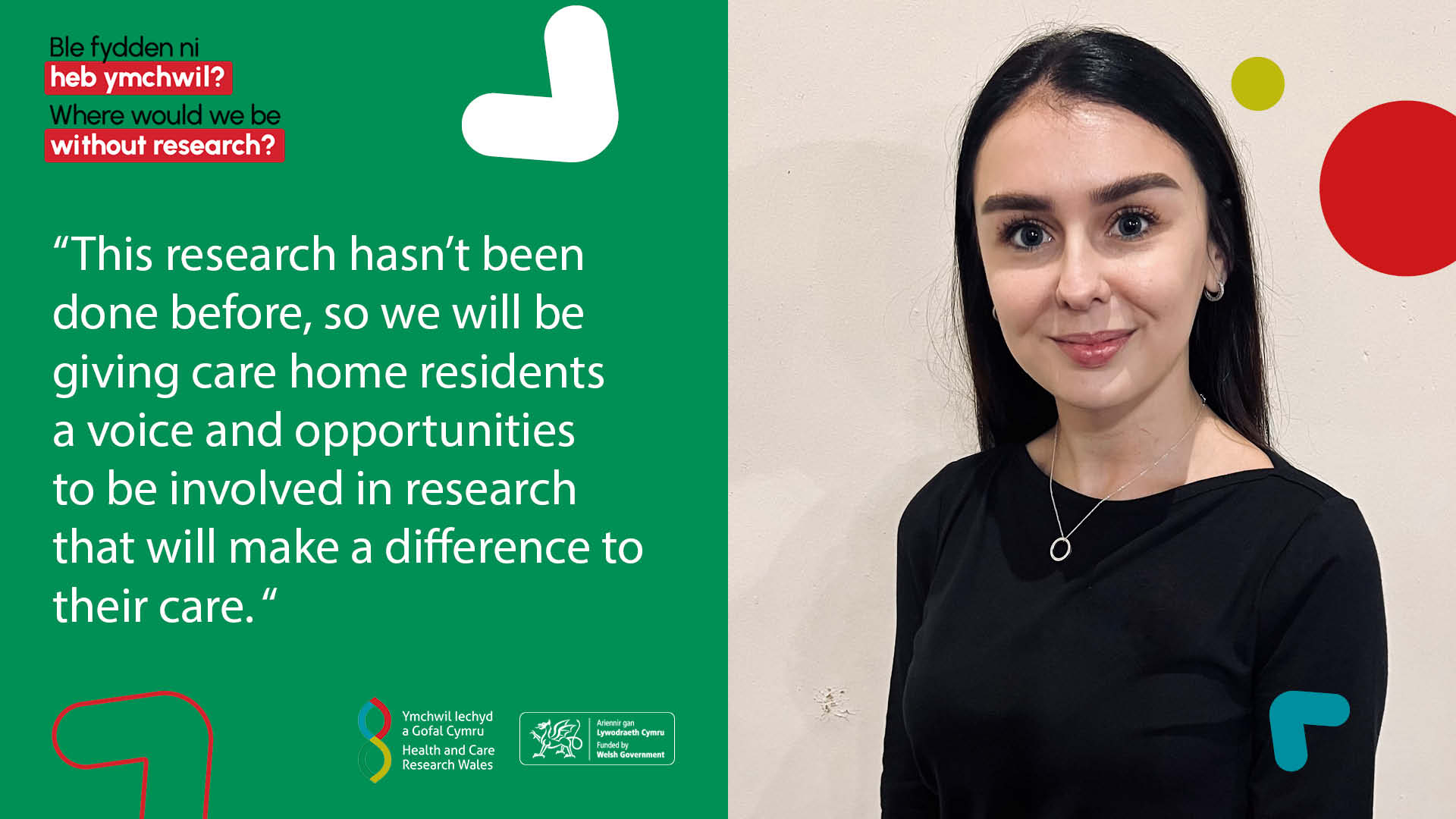
Brittany Nocivelli's PhD is looking at the the barriers and facilitators to care home residents taking part in research, and she is supervised by Professor Fiona Wood, based at PRIME Centre Wales, and Dr Victoria Shepherd and Professor Kerry Hood, based at the Centre for Trials Research.
After working in a care home, 24-year-old Brittany Nocivelli felt inspired to advocate for care home residents in research.
Brittany’s PhD project, which she is undertaking at Cardiff University, is titled “Engaging care home residents in research: identification of barriers and facilitators and the development of an intervention to support residents in decision-making and advance planning for research (EN-GAGE Study)”.
Brittany comments:
“I came across this PhD and it seemed a perfect fit for what I felt was missing in care homes. Evidence-based care and practice is really important to me, and this PhD will look into the barriers residents face when getting involved in research.
“We hope to develop interventions to help get them more involved, which would be a good start in improving lots of different areas of social care. This is likely to be a resource for residents, and a training resource for care home staff that will increase their knowledge and awareness about their role in supporting residents to access research opportunities.”
 Health and Care Research Wales invests in leaders across Wales to shape the research of the future
1 April 2022
Congratulations to PRIME Centre Wales' Professors Adrian Edwards and Andrew Carson-Stevens who are included in the next cohort of Health and Care Research Wales Senior Research Leaders and Specialty Leads from across academia and the NHS in Wales.
The leads will act as ambassadors for research into diseases, treatments and services that can change people’s lives and drive improvements in patient care.
Professor Adrian Edwards is included in the Research Leaders, who will take up the role for the next three years, will play a vital role in developing the health and care research community in Wales, mentoring early career researchers and developing the next generation of research leaders.
Professor Andrew Carson-Stevens is included in the Speciality Leads, also appointed for the next three years, who will provide strategic support within specialties such as cardiovascular disease, critical care, stroke, diabetes, cancer and mental health and represent Wales at a UK level.
 A year of impact - The Wales COVID-19 Evidence Centre
March 2022
The first research centre of its kind in Wales which provides evidence to help ministers make critical decisions during the pandemic, marked its first anniversary this week.
Wales COVID-19 Evidence Centre launches new report library
The library, found on the Health and Care Research Wales website, is home to all the Centres published reports which guide decision-making by ministers, and leaders in the NHS and social care sectors.
 Health and Care Research Wales reflects on two years of COVID-19 research
23 March 2022
This week marks two years since the first COVID-19 lockdown and BBC Wales shone a light on just some of the advancements we've seen in research since the beginning of the pandemic.
Professor Adrian Edwards (pictured opposite), Director of the Wales COVID-19 Evidence Centre, and practicing GP in South Wales is interviewed for the article.
You can also listen back to Dr Nicola Williams, National Director of Support and Delivery at Health and Care Research Wales, and Bernadette, a participant in the PANORAMIC antiviral trial, interviewed on BBC Radio Wales (32:05).
 PRIME e-news bulletin Winter 2021/22
The PRIME centre Wales e-news bulletin for winter 2021/22 is now available to view here.
To receive the newsletters straight to your inbox, sign up here.
 Staff Promotions – Andrew Carson-Stevens
7 March 2022
Congratulations to PRIME programme lead for Patient Safety, Andrew Carson-Stevens, on being promoted to Clinical Professor of Patient Safety and Quality Improvement at Cardiff University in February 2022.
Professor Carson-Stevens is a Cardiff University graduate (BSc 2007; MPhil 2010; MB BCh 2010; PhD 2017) and started his research career at the Division of Population Medicine (then the Institute of Primary Care and Public Health) in 2010 as a Clinical Fellow, followed by a WCAT-funded Clinical Lectureship from 2012–2018 whilst pursuing doctoral studies alongside General Practice vocational training culminating in appointment as Clinical Reader in August 2018.
Professor Carson-Steven is an academic general practitioner and health services researcher leading research and pedagogical advances in how health and social care organisations learn from unsafe care experienced by patients and families.
His work informs national (Welsh Government, UK Department of Health) and international policy maker decision-making (World Health Organization; Organization for Economic Cooperation and Development), professional organisations (Royal College of General Practitioners; Care Quality Commission) and other researchers / practitioners / educators through diverse influential national and international professional fora.
On receiving the promotion, Professor Carson-Stevens comments:
“PRIME Centre has given me the opportunity to grow and extend my research interests, establish new collaborations, and pursue methodological innovations for direct application into the NHS, in the pursuit of improving the quality and safety of healthcare in Wales and internationally. I’m thankful for the generous mentorship, support, and guidance I have gained from other PRIME academics at all partnering higher education institutions in Wales, our patient and public representatives, and the PRIME advisory board members.”
 Research identifies gap between people’s expectations and their experiences of social services in Wales
3 March 2022
Published: 'Expectations and Experiences' of service users and carers
Those people in Wales who depend on social services should be able to expect support when and where it is needed, and not have to fight to be heard.
That’s one of the key findings of the national evaluation of the Social Services and Well-being (Wales) Act 2014 led by researchers at the Welsh Institute for Health and Social Care (WIHSC), which is based at the University of South Wales (USW), working in partnership with Professor Fiona Verity of Swansea University and colleagues, and others from Cardiff Metropolitan and Bangor Universities.
The report provides findings from 170 people living in Wales who receive care and support or who are carers and is part of a wider evaluation of the Act, known as the IMPACT study.
Although some of the survey findings are positive – a number of respondents said they felt more noticed by professionals since the Act, and had a better relationship with their social worker – the survey did find a number of issues that need addressing.
Some responses highlighted individuals’ feelings of not being listened to, with them reporting they had to chase and fight for support, and often felt they were ignored unless they were facing a crisis. The report also highlighted individuals’ concerns about not being included in discussions and decisions about their support, being unsure about their rights under the Act, and difficulties receiving support in the Welsh language. Overall, people felt that their experiences under the Act had not met their expectations of what they hoped it would do
Professor Mark Llewellyn, Director of WIHSC and study lead, said the evaluation had raised important issues around the Act and would give the Welsh Government and social services professionals a yardstick against which improvements can be measured.
“The study has highlighted a gap that exists between people’s expectations of social services and well-being support, and how their experiences fall short of those expectations,” Professor Llewellyn said.
“The IMPACT study is now close to its conclusion, and in the next six months we will draw on all of the evidence gathered, and work together to find ways bridge the gap between the expectations the Act offered and the lived experience of those who feel their expectations have not been met.”
 GP Academic Fellows Scheme are recruiting
An exciting opportunity has arisen in the Division of Population Medicine for an Associate Academic Fellow. The successful applicant will:
- Provide clinical support to General Practices in Deprived areas of SE Wales (2 days per week).
- Join a highly supportive interdisciplinary team at the Centre for Trials Research and the Division of Population Medicine working on a NIHR-funded public health priority COVID-19 clinical trial in primary care (2 days per week).
- Focus on teaching and professional development (1 day per week).
This is an excellent opportunity for a GP to kick-start a potential academic career whilst maintaining their clinical skills in areas of most need.
The role involves 2 days clinical, 3 days teaching, research, and professional development. Excellent opportunities including supporting the UK-wide public health priority PANORAMIC trial which is testing anti-virals for community treatment of COVID-19 Fully supported, no prior research experience needed.
For informal enquiries, please contact: Dr Harry Ahmed (Lead for the Academic Fellows scheme), or to speak to a current fellow, email Tom Purchase or past fellow, Leigh Sanyaolu.
Closing date: Friday, 25 February 2022
View the full job advert here.

New census highlights essential role of research nurses and midwives across Wales
11 February 2022
There are at least 265 research nurses and midwives across Wales, across all areas of healthcare, reveals a landmark new census initiated by a group of NIHR 70@70 Senior Nurse & Midwife Research Leaders.
The census, incorporating 7,469 responses from research nurses and midwives across all four UK nations and the Republic of Ireland, reveals nurses and midwives are working at every level in healthcare.
 Cancer champions – to the local community centre… and beyond!
February 2022
In a blog for World Cancer Day, researcher DrPamela Smith discusses a community-based campaign to increase cancer awareness, which is being tested in the TIC-TOC study registered at the ISRCTN registry.
Encouraging people to seek help about potential cancer symptoms has never been more important. Research has found that early cancer help-seeking is poorest in the most deprived communities, partly due to not knowing which symptom(s) could indicate cancer, and fearful beliefs about cancer that put people off going to see their doctor.
 PRIME and WSSPR welcomes new team member, Dr Simon Newstead
1 February 2022
We are delighted to welcome a new member of staff, Dr Simon Newstead.
Simon is working with Carolyn Wallace, University of South Wales, in the Wales School for Social Prescribing Research (WSSPR), and also the Care Closer to Communities workpackage.
Simon has previously worked with the Addictions Research Group in the School of Psychology and Therapeutic Studies at the University of South Wales, before transitioning to work within the School of Care Sciences on two projects. The first was an international project to help develop a consensus on primary health care response to family violence, and the second the development of a glossary of terms for social prescribing.
His MSc and PhD were both based in cognitive neuroscience. Prior to embarking on a career in research Simon worked within the community of Sheffield as a project worker, in a role that was very similar to that of a link worker.
 Welsh research could find new triggers of heart attacks and strokes
31 January 2022
A Cardiff University PRIME Centre Wales researcher is to lead a project to investigate any links between patients having urinary tract infections (UTIs) and suffering a heart attack or stroke.
Dr Harry Ahmed is a GP from Rhondda Cynon Taf, Lead for Infections Antimicrobial Resistance WP in PRIME Centre Wales, and Senior Clinical Lecturer in Epidemiology at Cardiff University's School of Medicine.
He hopes the study, funded by British Heart Foundation (BHF) Cymru, could lead to better outcomes for patients in the future. Dr Ahmed said:
“When a person has an infection, the immune system responds in a way that could affect the circulatory system; these changes may increase the risk of having a heart attack or stroke.
“Researchers previously found that the risk of heart attack or stroke is significantly higher following a respiratory tract infection, like influenza or pneumonia. This work led to a clinical trial where people leaving hospital after pneumonia will be given aspirin to see if it protects against heart attack.”
Dr Ahmed is leading a team of researchers at Cardiff University who have been awarded almost £220,000 by the BHF over three years to explore whether a connection can be made between patients who have been diagnosed with UTIs and an increased risk of heart attack or stroke. Read full story.
 Expert comment on the PANORAMIC trial testing antivirals for early treatment of COVID-19
13 January 2022
Professor Kerry Hood, director of the Centre for Trials Research, Cardiff University and Dr Andrew Carson-Stevens (pictured opposite), clinical reader at Cardiff University School of Medicine and PRIME Centre Wales lead for patient safety, were interviewed about the first patients in Wales receiving antiviral tablets as part of a new trial.
The trial is being delivered by Cardiff University, Public Health Wale, and Health and Care Research Wales. It is hoped it will help more people with COVID-19 to avoid hospital.
Read the full story on BBC Wales website, and read more about the PANORAMIC trial on the Cardiff University website.
 ‘Change of mindset’ needed to put clinical services at the forefront of community pharmacy work in Wales
11 January 2022
A review published by WIHSC today identifies that community pharmacies are well placed to deliver a range of extended clinical services in Wales, but a ‘change of mindset’ may be needed to bring this about. The review was commissioned by the Welsh Government to analyse dispensing volumes in community pharmacies across Wales.
The overall purpose of the study was to consider whether it is feasible to reduce prescription volume in primary care in Wales through practical changes to prescribing and dispensing arrangements; and whether such changes would release significant amounts of pharmacist time to provide direct care in the form of clinical services.
Read the full story on the Welsh Institute for Health and Social Care website.
 Respiratory tract infection and risk of bleeding in oral anticoagulant users
New PRIME research demonstrates the value of using data for safer patient prescribing
21 December 2021
Cardiff University researchers are using linked electronic health records from the Clinical Practice Research Datalink (CPRD) to understand how infection and antibiotic treatment affects people who use blood thinning medications.
The research is led by Dr Harry Ahmed, a GP and Senior Lecturer, at the Division of Population Medicine and PRIME Centre Wales, with colleagues from Cardiff University, University of Oxford, and the UK Health Security Agency.
In the first report from this research, the team used a study design where individuals act as their own controls to explore the risk of serious bleeding in the 90-days following a respiratory tract infection. They found that the incidence of serious bleeding among people using warfarin or direct oral anticoagulants increased in the 0-14 days following a respiratory tract infection, compared to other times.
Full findings of the study are published in the BMJ. The team hope that this study combined with further research from this programme of work will lead to safer treatment of infections in people who use blood thinning medication.
“This study demonstrates the value of using data to understand how we might make prescribing safer for patients. The research has potential implications for how patients and doctors manage oral anticoagulant use during an acute illness and warrants further investigation to understand how these risks might be mitigated.”
Article citation: Ahmed H, Whitaker H, Farewell D, Hippisley-Cox J, Noble S. Respiratory tract infection and risk of bleeding in oral anticoagulant users: self-controlled case series BMJ 2021; 375 :e068037 doi:10.1136/bmj-2021-068037

Research into the health and wellbeing of young people takes centre stage at Evidence into Practice Symposium
10 December 2021
Research aiming to improve the lives of young people was the focus of the Wales COVID-19 Evidence Centre’s (WCEC) Evidence into Practice Symposium, the first event of its kind since the Centre opened in March 2021.The event included a presentation from the Minister for Health and Social Services, Eluned Morgan MS, thanking the research community in Wales for helping ensure research is recognised and valued as a fundamental part of health and social care and the COVID-19 pandemic response.

 Patients in Wales can play a key role in understanding long COVID
1 December 2021
Long COVID patients, and those involved in their care, can take part in life-changing research studies to help find new treatments for the condition. A new report from the Wales COVID-19 Evidence Centre summarises nine studies which are, or will be, looking for volunteers in Wales.
 Research network launched to help eliminate Violence Against Women, Domestic Abuse and Sexual Violence
25 November 2021
Minister for Social Justice, Jane Hutt MS, has officially launched a research network led by the University of South Wales (USW) which will work towards the elimination of Violence Against Women, Domestic Abuse and Sexual Violence (VAWDASV).
The VAWDASV Research Network Wales was launched at USW’s Cardiff Campuson the 25th of November, marking the International Day for the Elimination of Violence Against Women.
The network is led by Dr Sarah Wallace, Senior Research Fellow at the Welsh Institute for Health and Social Care (WIHSC), and Dr Emily Underwood-Lee, Associate Professor of Performance Studies at the George EwartEvans Centre for Storytelling, University South Wales. It is supported by the Faculty of Creative Industries and PRIME Centre Wales, and is governed by a core group of academics, policy makers, and practitioners from the VAWDASV sector in Wales. It will also be supported by a dedicated member of staff from the Wales Violence Prevention Unit at Public Health Wales.
While planning the network, Drs Wallace and Underwood-Lee met the public-patient SUPER group to discuss how to ensure it addressed the needs of public members and what groups and perspectives should be involved in the network.
The aim is to develop an inclusive research community for Wales that provides a safe, open forum to bring together those who are working towards an end to VAWDASV to set the future research agenda, foster collaboration and develop grant applications, undertake high quality research, and work towards the elimination of VAWDASV.
Watch a video recording of the launch event on YouTube.
Read the full story on the University of South Wales news pages.
Follow the network on the Domestic Violence and Sexual Abuse Network Wales Twitter feed.
 Software to reduce emergency hospital admissions - Welsh GPs report mixed experiences on usability and benefit for patients
16 November 2021
The study builds on earlier research by the same team showing that emergency admissions had gone up – not down - when the tool was introduced in Wales, which led to its rollout being halted, though it continues to be used widely in England, Scotland and Northern Ireland.
Researchers say the new study reinforces the need for more evidence and research on the implementation of the software and its effects.
The software is a risk prediction tool, which in Wales is called PRISM. It identifies people who are most at risk of needing emergency care, based on past use of healthcare, diagnoses and medications. The thinking is that targeted management of these patients can reduce emergency admissions to hospital, improve patient outcomes and experience, and provide better value for money.
- Read the full story here
- Listen to the BJGP podcast interview with Professor Helen Snooks, 16 November
 IMPact research project closes with final meeting for research team and partners
13 November 2021
A final meeting was held on 10th November to mark the end of the IMPact research project which engaged with children, families, and stakeholders to better understand the child protection system and practices in Morocco.
Study partners included Swansea University, the Global Challenges Research Fund from the UK Research and Innovation and Fondation Amane pour la Protection de l'Enfance for their constant support in this endeavour. Thank you to La Maison Anglaise, Morocco, for hosting focus groups and workshops.
The Moroccan Children's trust thanked all the participants and the research team (Professor Helen Snooks, Dr. Ashra Khanoum, Professor Ann John, Associate Professor Mary Rautkis, Dr. Christopher Hands, Mr. Ilyas Khlifi, Ms.Hajar Korda, Mr. Abdellah Soussi, Dr. Fadi Baghdadi) for their work on the project:
We look forward to our continued collaboration and research to support Moroccan children and families into the future.
 Read the latest news from the Wales COVID-19 Evidence Centre
Find out more about the newly established Wales COVID-19 Evidence Centre, which was funded by Welsh Government through Health and Care Research Wales earlier this year, with coverage of their aims and first reports detailed in the first newsletter - out now.
 The research behind the safety of COVID-19 vaccines during pregnanc
A summary of research evidence from the Wales COVID-19 Evidence Centre (WCEC) found COVID-19 vaccines to be safe and effective when given during pregnancy at any time and whilst breastfeeding.
In the report, developed in partnership with the Specialist Unit for Review Evidence at Cardiff University, the WCEC recommends health care professionals advise those who are pregnant to have the vaccine, particularly if they are part of an at-risk group.
From the research, the Centre also found there is an increased risk of becoming severely unwell with COVID-19 during pregnancy, and those who contract the virus are more likely to have pregnancy complications such as premature delivery or stillbirth.
Read full story on the Health and Care Research Wales website.
 10th EURIPA Rural Health Forum in Siedlce, Poland
November 2021
The tenth annual meeting of the EURIPA Rural Health Forum was recently held in Poland in September.
EURIPA works towards supporting and uniting all the rural practitioners in Europe, strengthening rural teams, accentuating the rural-proofing approach, improving rural research and scientific impact of our Association, developing further international and overseas connections and assisting EURIPA in confirming its' place among other networks at the Council of WONCA Europe.
Former PRIME Centre Wales Associate Director, Professor Joyce Kenkre attended, providing a key note address and leading a workshop.
Read the attached EURIPA Grapevine newsletter (Autumn 2021) for further information about the meeting.

Read the latest Health and Care Research Wales annual report now
We have published the Health and care Research Wales 2020/2021 annual report which showcases an unprecedented time for research, including the set-up of 110 COVID-19 studies, and the recruitment of almost 50,000 volunteers in Wales.Minister for Health and Social Services Eluned Morgan said: "It’s important to recognise how far we’ve come, and it would not have been possible without the commitment and skills of our research community, and the people who stepped forward to contribute to the studies and make the research possible."
 Have you been referred to the Welsh NERS?
Public Health Interventions Responsive Studies Team (PHIRST) is a new programme funded by the National Institute for Health Research (NIHR).
The aim of the PHIRST is to find out what works and what does not work for different public health projects across the UK.
The Central PHIRST based at University of Hertfordshire are currently working with the Welsh Local Government Association and Public Health Wales to conduct an evaluation of some of the aspects of the Welsh National Exercise Referral scheme (NERS).
If you were referred on to the Welsh NERS scheme at any time between March 2019 and now, and for whatever reason decided not to take this up, we would love to hear from you!
For further information, please read the study flyer and Participant Information Sheet.
 New website launched to promote value of clinical academic careers
Health and Care Research Wales is proud to endorse the Clinical Academic Training Forum’s new website: CATCH, the Clinical Academic Training & Careers Hub, which is the one stop shop for information on academic careers.
 Understanding social prescribing in Wales
September 2021
Researchers at the Wales School for Social Care Prescribing, PRIME Centre Wales, Data Cymru and Public Health Wales have published findings of a baseline study to generate an understanding of understanding of social prescribing activity in Wales.
Social prescribing in Wales is defined as ‘connecting citizens to community support to better manage their health and well-being’ (Rees et al, 2019). It is a person-centred approach to empowering an individual to better manage their health and wellbeing through a number of activities (SCIE, 2020). There are multiple models of social prescribing working in Wales with practitioner roles based in places such as local authorities, third sector, housing, higher education, and primary care; and social prescribing activities most commonly based within third sector and community spaces. Read full story.
 Celebrating Nursing and Midwifery in Wales
Published: 30 September 2021
A new report published by Public Health Wales today, identifies that recognising and championing nursing on a global scale is essential to improving health for all.
The report identifies that nurses and midwives are at the heart of most health teams, playing a crucial role in improving and transforming health services, promoting health and preventing and reducing the impact of disease. Nurses and midwives ensure that the care being delivered is compassionate and of a high standard, which all patients and citizens should expect to receive.
The ‘Nursing Now’ global campaign originated from the Triple Impact report which argued that strengthening nursing would make a major contribution to three of the Sustainable Development Goals: Improved Health, greater gender equity and economic development. The campaign was launched in 2018 and endorsed by the World Health Organisation and International Council of Nurses and was a call to action at a local and global level promoting opportunities to raise the profile of nursing across a range themes, such as advanced and innovative practice, research capacity, leadership development to name but a few.
The campaign led to the WHO designating 2020 the Year of the Nurse and the publication of the first State of the World’s Nursing report.
It could not have been predicted that 2020 would bring the roles of Nurses and Midwives in the spot light, with the significant demands placed on them and other health workers by the impact of Coronavirus, highlighting even more the essential role they play every day in improving and protecting health. The campaign strongly encouraged local and national involvement set in the context of individual countries and settings. Read more.


 Incorporating shared decision making into everyday practice
12 September 2021
In June 2021, NICE published its new guideline on shared decision making. Shared decision making is a collaborative process that involves a person and their healthcare professional working together to reach a joint decision about immediate or future care.
In this article published in Guidelines in Practice, PRIME Centre Wales researchers, Dr Natalie Joseph-Williams, Dr Leigh Sanyaolu, and Professor Adrian Edwards summarise the NICE recommendations on shared decision making.
Read the article here.
NICE. Shared decision making. NICE Guideline 197. NICE, 2021. Available at: www.nice.org.uk/ng197
 PRIME Centre Wales - Annual report 2021-22
Find out how the PRIME Centre Wales research team has been working over the last year to support the research response to Covid019, as well as furthering the knowledge gap across primary and emergency acre research to address our key themes:
- Value-based primary and emergency care
- Seamless health and social care closer to the home
- Reducing health inequalities
The PRIME Centre Wales Annual report 2020-21 is available to view online and download here.
 PRIME research featured in the British Journal of General Practice podcast
31 August 2021
Professor Adrian Edwards, Director of PRIME Centre Wales, has been interviewed about the PRIMUS study for the British Journal of General Practice interview and podcast series.
The PRIMUS study: Primary care management of lower urinary tract symptoms in men: development and validation of a diagnostic and decision making aid (The PriMUS Study). £1.5m, NIHR Health Technology Assessment (HTA) Programme.
- Interview audio: Managing lower urinary tract symptoms (LUTS) in primary care, British Journal of General Practice website
- Video: https://youtu.be/RwLt2jdiwco

Clinical Research and the Role of the Nurse - Part 1:Behind the Health Statistic
A new episode of 'Behind the Health Statistic', a podcast series launched by the School of Healthcare Sciences at Cardiff University, is now available on Spotify. The episode, about the role of the research nurse, features interviews with Cancer Research UK Senior Research Nurse for Wales Mandy Edwards, and Trial Unit Manager at the University Hospital of Wales, Vianne Britten.
Access the podcast: https://open.spotify.com/episode/0fmt5hvyt2P5fNlbi6bySc
 Recent presentations from Emergency, Unscheduled and Pre-hospital work package
- Professor Helen Snooks presented results from the TRIM study; What TRIage model is safest and most effective for the Management of 999 callers with suspected COVID-19? A linked outcome study at the College of Paramedics National Conference on 12-13 May
- The PRIME team in Swansea made several contributions to HSR UK conference on 6-8 July 2021 including:
- Dr Alison Porter presented a panel session (pictured opposite) on How to see a paramedic without calling 999 The who, what and why of paramedics working in primary care settings
- Professor Helen Snooks presented a panel session on Pros and cons of "Shielding" vulnerable people as a public health policy in the UK during the COVID-19 pandemic
- The following short presentations were also be given by:
- Mark Kingston - Emergency ambulance service calls for COVID-19 during the pandemic first wave from the TRIM study
- Professor Helen Snooks - 999 Emergency Ambulance Response during COVID 19 pandemic first wave - what triage models were used? from the TRIM study
- Dr Rabeea’h W Aslam - Cohort identification for observational analysis: Initial impressions from the STRETCHED study
These short presentations will be made publicly available on the HSR UK YouTube channel and fully searchable after the online conference platform closes at the end of September.
- Professor Alan Watkins and Professor Helen Snooks presented early findings from both the TRIM and EVITE Immunity studies to the Welsh Government COVID-19 Technical Advisory Group (TAG) research subgroup in July
- Professor Helen Snooks and Mark Kingston presented a Wales perspective on emergency admission risk stratification tools in primary care, building on findings from the PRISMATIC and other related studies to an NHS England and Virtual huddle ‘risk stratification in England, Wales and Scotland’ on 2nd July; to 200 invited delegates.
 PRIME research findings:
604,000 Calls to 999 for covid in first wave, with care provided varying widely across the UK - national ambulance survey
18 August 2021
Over 600,000 emergency calls to 999 during the first wave of the pandemic were for suspected Covid, with ambulances sent in almost 80% of cases and 43% of patients being conveyed to hospital, a major new survey of UK ambulance services has shown.
Some services were much harder hit than others, with almost half of all calls to one service being Covid-related at its peak.
Care received varied widely by geographic area, with ambulances sent to under 60% of Covid callers in one service, but to 100% in another. The number of patients taken to hospital varied between 32% and 54% across the country.
The findings will help ambulance experts and policymakers plan for further waves and future pandemics, showing patterns of demand, and helping improve the safety and effectiveness of the NHS response. Read more.
 Recommendations issued to improve patient safety in acute medical units
5th August 2021
Research led by Dr Andrew Carson-Stevens, Health and Care Research Wales Specialty Lead for Primary Care, into patient safety in hospitals has produced a series of recommendations to help reduce future incidents published by Health Europa news today.
 PRIME supported project researching long Covid awarded funding
19 July 2021
PRIME Director Adrian Edwards and work package co-lead for person-centred care, Dr Natalie Jospeh-Williams are co-applicants on a bid recently awarded to research long Covid.
The project, called LISTEN, is being jointly led by Professor Monica Busse at Cardiff University’s Centre for Trials Research and Professor Fiona Jones, an expert in rehabilitation research at St George’s University of London and Kingston University, in partnership with the Bridges Self-Management social enterprise.
Together, the team will devise a personalised self-management programme for individuals with long Covid.
The project will take two years and aims to produce a personalised self-management programme, including a book, digital resources and new training package for rehabilitation practitioners. The new programme will be tested in a trial that will recruit individuals with long Covid from across Wales, London and the East of England.
“Our project will focus on navigating life after long Covid where the variety of problems and uncertainty around how to manage creates real struggles for those affected individuals,” said Professor Busse, director for Mind, Brain and Neuroscience trials at Cardiff University.
“We hope our work will lead to new models of care being available in the NHS for the benefit of those living with long Covid across the UK.”
Read the full story on the Health and Care Research Wales website.
 More than one in five people ‘less likely to attend cancer screening post-pandemic
CABS study update
July 2021
More than one in five people have said they are less likely to attend cancer screening now than before the pandemic, according to the initial findings of a UK-wide survey led by Cardiff University.
Despite the majority of respondents eligible for cervical and/or bowel screening saying they would “definitely” participate in their next screening, a substantial minority said they would be “less likely” to attend screening now.
The researchers said national campaigns with clear messaging were needed to encourage people to consider taking part in cancer screening.
The COVID-19 pandemic has caused widespread disruption to cancer screening services, with the UK’s national cancer screening programmes effectively paused from late March to around June last year. Routine invitations are now being sent out – but there is a significant backlog of people waiting for invitations.
As part of the COVID Health and Help-Seeking Behaviour Study, researchers from Cardiff University and Cancer Research UK carried out a UK-wide study to assess attitudes towards screening during the pandemic.
A policy briefing on the findings released today reveals:
- 74% of respondents eligible for cervical screening said they will attend their next cervical appointment, while 84% of eligible respondents said they will participate in bowel screening;
- A substantial minority (30% of those eligible for cervical screening, and 19% of those eligible for bowel screening) said they are less likely to take part in cancer screening now than before lockdown;
- Three-quarters (75%) said they were worried about delays to cancer tests and investigations, and to screening, caused by COVID-19.
 Wales Institute for Social and Economic Research and Data (WISERD) - Well-Being Network, call for members
14 July 20221
The Wales Institute of Social and Economic Research and Data (WISERD) has formally launched a new WISERD Well-Being Network. From the various contacts we have across WISERD, your name is included on a list of those who may be interested in joining the network. And please feel free to forward this communication to anyone else you think may also be interested in joining the network.
Why has the network been set-up?
The network has been set-up in recognition of two main factors which have profoundly affected well-being research in recent years.
First, the increasing academic importance of well-being research for understanding civil society and its goals, coupled with the growing political significance, in Wales and elsewhere, of using well-being as a key measure of social and economic progress.
Second, the increasing range of well-being research undertaken, from a variety of often disparate disciplines and settings, and for a number of different purposes.
What are the aims of the network?
Given the above in the development of well-being research, WISERD thought it timely to set-up a network with the following aims in mind:
To champion interdisciplinary well-being research, drawing from a range of disciplines, for example, (but not exclusively) social policy, sociology, economics, social geography, political science, psychology, criminology, health sciences, pedagogy, creative arts and cultural industries, business studies, and applied social and political philosophy.
To facilitate cross-organisational and intra/inter-institutional exchanges and partnerships, concerning well-being research,within and between the WISERD partners, other relevant research centres, individual researchers, and including those from outside the WISERD partner institutions.
To systematically engage in co-productive research reflecting the agendas, knowledge and experience of key non-academic stakeholders in well-being research, with a view to including these stakeholders in the research process, working alongside academics, and within various professional and policy-based contexts.
To inform and positively impact the development of policy and practice across statutory and non-statutory settings, for example, in social services, health, education, housing, income maintenance, education, youthwork, workplaces, community groups and activities, businesses and social enterprises, and other public, private, and third sector settings.
If you are interested in joining the network, please complete the pro-forma and send to Steve Smith, Co-Director of WISERD from The University of South Wales, and Head of the WISERD Well-Being network
.png?timestamp=1626104879684) PRIME colleagues featured for Journal of Research in Nursing webinar
PRIME colleagues featured for Journal of Research in Nursing webinar
25 June 2021
Professor Joyce Kenkre (recently retired Associate Director of PRIME, University of South Wales), and John Wynn-Jones (PRIME All-Wales Steering Group lead for Rural Primary Care) featured with colleagues in the Journal of Research in Nursing's. The webinar was hosted in partnership with WONCA and focused on the theme of Rural Health.
View the podcast at: https://youtu.be/X2rHx8E1u_A
 Putting patient safety first in the planning of GPs working in emergency departments
11 June 2021
The way in which patients are seen and treated in emergency departments has changed over recent years in England. One way in which providers have sought to improve the system is by placing GPs within or alongside emergency departments to address increasing demand.
However, there has been little research carried out to date to look out how safe this is for patients. The issue of patient safety has been highlighted recently by the World Health Organisation as a serious global health concern. Read more.
 Adrian Edwards - Interview on ITV News feature (Wales This Week, 7th June)
Professor Adrian Edwards, Director of PRIME Centre Wales and Wales-19 Covid Evidence Centre was interviewed for ITV News Wales the Week, broadcast 7th June (Series 3: Episode 9).
Professor Edwards provided expert comment as a practicing GP and Director of the Wales-19 Covid Evidence Centre on a new phase on the number people living with long term illness and long-covid in Wales following the Covid crisis.
- View the programme here: https://www.itv.com/walesprogrammes/articles/wales-this-week-series-3-episode-9
- Read the article here: https://www.itv.com/news/wales/2021-06-07/how-will-wales-cope-with-growing-numbers-of-people-living-with-chronic-conditions
- Learn more about the Wales-19 Covid Evidence Centre here: https://healthandcareresearchwales.org/about-research-community/wales-covid-19-evidence-centre

Red4Research - 18th June
#Red4Research Day on Friday 18 June 2021 aims to get as many people as possible wearing red to demonstrate their support and appreciation for all those participating, undertaking and supporting COVID-19 research.
It’s all about positivity, creativity and support in the face of adversity. #Red4Research is completely inclusive – anyone, any age, anywhere can participate – children, adults, even pets!
We’d love to see your photos and share them, so don’t forget to tag #Red4Research and @ResearchWales in your posts on Twitter, Facebook and Instagram.

Volunteers in Wrexham needed for world-first COVID-19 vaccine booster study
28 May 2021
Volunteers from within a 50-mile radius of Wrexham are now needed to take part in a new clinical trial to receive a third ‘booster’ COVID-19 vaccine.
Public Health Wales is recruiting over 30s who have had two doses of a COVID-19 vaccine to take part in this research study, including those immunised early in the vaccination programme.
Dr Orod Osanlou, Consultant Physician and Principal Investigator for Public Health Wales and the COV-Boost study said:
“While the current COVID-19 vaccines are highly effective at preventing severe disease, we just don’t know how long that immune protection from vaccination will last. It’s likely additional booster vaccinations might be needed for high risk groups after a period of time and that’s why we’re doing this research.”
 New 'EVITE Immunity' study to evaluate how well shielding against COVID-19 works
11 May 2021
Shielding vulnerable people has been central to the response to COVID-19, but how well does it work? A research team led by Professor Helen Snooks, PRIME Associate Director, will examine the evidence, to see what lessons can be learned for the future.
Working with the NHS, the researchers, from the PRIME Centre Wales' emergency, unscheduled and pre-hospital care work package, will consider how shielding affected deaths, hospital and intensive care admissions, COVID-19 infections, immunity status, safety, NHS costs, quality-of-life and how people complied with instructions.
Read full article on Swansea University newspages.
 Rapid Response to: 'Covid-19: Government’s shielding scheme failed thousands of clinically extremely vulnerable people, say MPs'
21 April 2021
A letter to the editor from Bridie A Evans and Professor Helen Snooks, has been published in the BMJ in response to recent report about shielding by the British House of Commons Public Accounts Committee highlights several flaws in the criteria for defining vulnerability to COVID-19 and delivery of the UK shielding policy from March 2020.
Rapid Response: Re: Covid-19: Government’s shielding scheme failed thousands of clinically extremely vulnerable people, say MPs. BMJ 2021;373:n1033 doi: https://doi.org/10.1136/bmj.n1033 (Published 20 April 2021)

Medicago COVID-19 vaccine trial - we still need you!
May 2021
Swansea Bay University Health Board and Public Health Wales are still seeking volunteers to participate in the latest clinical trial studying a vaccine against COVID-19.
While we now have several approved vaccines against COVID we need a range of vaccines that can work for a range of people and we need billions of doses to protect those most at risk.
People aged between 18 - 39, living within 50 miles of Swansea, are invited to sign up and take part.

New online public involvement in research training pack now available
19 April 2021
All research should support the general public to get involved, and a new online training pack has been developed in partnership with Health and Care Research Wales based on the work of the UK Standards Partnership Group.
The online pack provides everything you need to know on the UK Standards for Public Involvement, providing a clear framework for enabling good public involvement in your research.
 New study to evaluate how well shielding against Covid-19 works
16 March 2021
Professor Helen Snooks, PRIME Associate Director and Health and Care Research Wales Senior Research Leader, is leading a new study to evaluate the effectiveness of shielding from COVID-19. EVITE Immunity is using anonymised data held in the SAIL Databank.
 Nearly half of people with potential cancer symptoms in first wave of pandemic did not contact GP, study finds
25 February 2021
Nearly half of people who experienced possible cancer symptoms in the first wave of the COVID-19 pandemic did not contact their GP, the initial findings of a UK-wide survey have suggested.
The research was carried out by researchers at PRIME Centre Wales, Cardiff University and Cancer Research UK, with preliminary findings focusing on the experiences of 7,543 people from March to August 2020.
Possible cancer symptoms were commonly experienced during the first wave, the survey found, with 40.1% of participants (3,025 people) saying they had experienced at least one potential symptom.
Of those who experienced symptoms, a substantial proportion (44.8%) reported not contacting their GP for any symptom, even for red flags such as coughing up blood (30.7% of those who experienced this symptom did not seek help), an unexplained lump or swelling (41% did not seek help) or a change in the appearance of a mole (58.6% did not seek help).
A policy briefing paper on the findings released today calls for coordinated campaigns across the UK to highlight that NHS services are open safely for anyone with unusual or persistent symptoms. Read more.

The race for COVID-19 research: applying for funding in a pandemic
12 February 2021
“Applying for research funding is always a bit frantic. During the first wave of COVID-19 infections, the application process did move faster, but as a researcher, you’ve got to get used to working at pace.
“We knew research priorities were rapidly changing and we had to start thinking differently. Now the focus had to be on what new funding was available and what opportunities it created.”
In Health and Care Research Wales' latest blog, Professor Helen Snooks, Health and Care Research Wales Senior Research Leader, shares her advice on getting funding for your research project.
 Shared decision making in rare disease in the United Kingdom
February 2021
A PRIME Centre Wales led White Paper has been published (Jan 2021) to address shared decision making for patients with rare disease.
There are always two experts in a consultation: the clinician and the patient. The clinician has medical knowledge and experience in evidence-based medicine and care. The patient is an expert in their own needs, values and personal circumstances – including experience of what it is like to live with their condition.
 How the Wales COVID-19 Evidence Centre aims to find answers to ‘real-life problems’ in the pandemic
February 2021
Professor Adrian Edwards has been appointed as the Director of the new Wales COVID-19 Evidence Centre. The £3 million centre is being created by Health and Care Research Wales on behalf of Welsh Government and will be based at Cardiff University.
Here the Cwmbran GP of 25 years, academic researcher and dad of two writes about the evidence centre and what he hopes to achieve. Read more.
 Health and Care Research Wales has appointed Professor Adrian Edwards as the Director of the new Wales COVID-19 Evidence Centre
January 2021
The £3 million centre, announced in December, is being created on behalf of Welsh Government to make use of UK-wide and international research findings to answer key questions and support decision making in Wales. This could include addressing the long-term effects of the pandemic and investigating challenges such as infection control and social distancing, the consequences of isolation and the health effects of the economic disruption
The new Evidence Centre, based at Cardiff University, is due to open in the next few weeks with a dedicated team of key researchers. The centre will enable rapid access to key international research findings and evidence, so decisions can be made by Welsh Government and NHS Wales. It will also allow fast and focused research studies to be undertaken on a Welsh level, including into long COVID.
A professor of general practice at Cardiff University and part-time GP in Cwmbran, Professor Edwards will oversee the centre, which will draw on the expertise of academics and scientists across Wales. Read more.

Simple monitoring could reduce medicine misuse in care homes
January 2021
New research from Swansea University suggests that a simple nurse- or carer-led medicines’ monitoring system can help reduce medication-related illness for people living in residential care homes – and the process takes just a few minutes per patient.
The research paper published in the PLOS ONE journal looked how the monitoring system, known as the Adverse Drug Reaction Profile (ADRe-p), can help nurses or carers identify medicines’ mismanagement or adverse drug reactions in patients prescribed multiple medicines, and can help avoid medication-related harm and improve prescribing.
Professor Sue Jordan, who led the study said: “The problem presented by the scale and complexity of inadvertent harm from both use and misuse of medicines is very real, which is reflected in the World Health Organisation’s (WHO) Third Global Patient Safety Challenge aiming to reduce avoidable medication-related harm by 50% by next year. Read more.
 Cross professional collaboration study to investigate the value of monitoring chronic eye care conditions in the community
December 2020
PRIME researchers at the University of South Wales (USW) are part of team investigating the value of monitoring chronic eye care conditions in the community. The multidisciplinary group has won a Research for Patient and Public Benefit (RfPPB) grant from Health and Care Research Wales (HCRW) to investigate the benefits of monitoring any long-standing sight-threatening problems.
Professor Carolyn Wallace (pictured above right) and Dr Mark Davies of USW are part of the team, which also includes experts from Cardiff University, Swansea University, Sight Cymru, Aneurin Bevan University Health Board (UHB), and Optometry Wales. Professor Barbara Ryan, who is an optometrist at Aneurin Bevan UHB, is the Project Lead. Further collaboration also comes from the Macular Society, International Glaucoma Association, and the Wales Council for the Blind.
Professor Wallace comments: “Over recent years the workload on the hospital eye service in the UK has continued to expand beyond the capability of the available workforce. Since 2017, ophthalmology has had the highest number of outpatient episodes of any speciality in the NHS.” Read full story.
 The World Book of Family Medicine - WONCA Europe Edition 2020
Published on the occasion of the 25th Anniversary of WONCA Europe.
Since WONCA is all about collaboration and inspiration, the main focus of this edition lies on working together, with our partners, the networks. But also talented individuals. They wrote 25 contributions, 1000 words (more or less), 5 Take Home Messages (more or less) and 8 references. Most of the contributors stayed within those limits, but every rule has an exception – as we as family doctors are well aware of.
PRIME's research is featured on pages 43-45: Can Social Prescribing Benefit Health and Well-being in the Community? Workshop led by Joyce Kenkre. Read and download the book here.

£3 million investment into the impact of COVID-19 on Welsh health and social care
December 2020
Health and Care Research Wales will create the first Wales COVID-19 Evidence Centre on behalf of Welsh Government to analyse the impact of coronavirus and use research-based evidence to address new challenges as a result of the global pandemic.
The dedicated team at the new Evidence Centre will work closely with leaders in Welsh Government, the NHS and social care in Wales to provide the necessary evidence needed to make impactful decisions on diagnosis, care and procedures.
 Neighbourhood District Nursing research welcomed by health minister
December 2020
Vaughan Gething, Welsh Government Minister for Health and Social Services, has welcomed the publication of a PRIME Centre Wales/Welsh Institute for Health and Social Care, University of South Wales (USW) review into three Neighbourhood District Nursing Pilots. The two-year Welsh Government funded pilots commenced in April 2018.
The USW report highlights what has been learnt from the prototype Neighbourhood District Nursing Teams and how they fit within the 'A Healthier Wales' strategy. In March 2019, the Health, Social Care and Sport Committee held a one-day inquiry into community and district nursing. In August that year, the Committee published a report on that inquiry which included 10 recommendations. Nine of these were accepted by the Minister.
Two of these recommendations related to the Neighbourhood District Nursing Pilots, which were evaluated in the USW research. The first was if the pilots’ evaluation were positive, the learning should be rolled out nationally. Read full story.
 Invitation: Social Prescribing Quality Indicators GCM
December 2020
Researchers at the University of South Wales and the Wales School for Social Prescribing Research (WSSPR) are running a study to identify quality indicators for social prescribing.
We would like to invite you to engage in three separate online activities over the next six weeks. The purpose of the exercise is to move towards a consensus position on what indicators should be used to measure quality in social prescribing across Wales.
The study will be run online using software called Group Wisdom and it will involve a brainstorming exercise, followed by grouping and rating activities all related to the topic. Each activity will last no more than 20-30 minutes and you can start and come back to the activity when you have some free time.
Action
Please indicate your interest in participating in this study by contacting wsspr@southwales.ac.uk. A member of the study team will then contact you with further information and send a consent form for you to complete. Once this is returned to them, they will provide you with a link to the software and a unique username and password.
We know how busy and challenging things are at the moment, but hope that you might be able to find a short amount of time to help us develop these indicators.
Thank you in anticipation of your participation, it is very much appreciated. If you have any queries please don't hesitate to contact the research team: wsspr@southwales.ac.uk.
Best wishes,
Prof Carolyn Wallace & Megan Elliott
 PRIME Centre Wales Annual Meeting 2020
3rd November 2020, Online
We were delighted to welcome guests to the sixth PRIME Centre Wales Annual Meeting, held 3rd November virtually hosted by Bangor University and held completely online.
To mark the a beginning renewed funding period for PRIME Centre Wales for 2020-25, this year's meeting focussed on celebrating some of the centre's key impact achievements to date, and looking to the future with new research areas, as well as welcoming the Wales School for Social Prescribing Research.
Due to Covid-19 travel restrictions, this year's meeting was held completely online and we were delighted to welcome over 100 delegates from Wales and beyond including the USA, Canada, Italy, and France. Read more about the day and view the presentations here.
 Landmark patient safety study reveals insights into ‘significant’ avoidable harm in primary care
11 November 2020
A national study in England recently published published today in the BMJ Quality and Safety journal has revealed the extent and nature of patient safety incidents resulting in significant avoidable harm in primary care.
Thirteen GPs were trained by PRIME Centre’s patient safety team led by Dr Andrew Carson-Stevens to review case notes of more than 90,000 patients in three regions across England over a 12-month period as part of the study. The main causes of avoidable harm were diagnostic error such as a delayed or an incorrect diagnosis (more than 60%), medication incidents like a prescribing or monitoring error (more than 25%) and delayed referrals (nearly 11%), and that 80% of incidents could have been identified sooner or prevented if action had been taken.
When the results were applied to the English population as a whole, the researchers estimated there would be up to 32,000 cases of significant avoidable harm experienced by patients on average each year.
Dr Andrew Carson-Stevens, PRIME Centre Wales lead for Patient safety, and a Clinical Reader at Cardiff University, responsible for defining a case of significant avoidable harm for the purposes of this study, and the analysis of cases, said:
“Most of these cases of significant harm in general practice could be avoided by improving administrative systems that ensure healthcare professionals can reliably make a referral to another service or clinician, review and action test results, monitor and recall patients that do not attend for important investigations, and, communicate clearly with other clinicians involved in the care of their patients."
The research is one of the largest and most comprehensive studies of avoidable harm in primary care to date. Read more.
 Recruitment is underway for public contributors to join the SUPER group
November 2020
The SUPER group is recruiting, please share this opportunity with anyone who may be interested!
What's involved?
SUPER stands for: Service Users for Primary and Emergency care Research. SUPER members provide lay perspectives on developing, conducting and disseminating research about primary and emergency care services. This involvement helps to improve the relevance, quality and dissemination of research on these topics.
SUPER meets quarterly, through meetings in person and online via zoom. At these meetings, researchers and SUPER members discuss research projects which are being developed or are underway. These are the sorts of points which SUPER members make.
- They comment on issues that are important to patients, carers and members of the public.
- They give feedback on the relevance of research topics and how feasible it is to collect information from people.
- They suggest ways of publicising findings from research studies including how to explain complicated or technical messages to non-academic audiences.
- Further information: SUPER group recruitment
 Study into antibiotic use wins research paper of the year
October 2020
A study into antibiotic use led by Centre for Trials Research and PRIME Centre Wales at Cardiff University and in collaboration with the University of Oxford and King’s College London has won research paper of the year.
The study, by researchers from Cardiff University’s School of Medicine and Centre for Trials Research, found a simple finger-prick blood test could help to prevent unnecessary prescription of antibiotics in patients with chronic obstructive pulmonary disease (COPD).
C-reactive Protein guided antibiotic prescribing for COPD exacerbations was published in the New England Journal of Medicine last July and has now won the overall prize for clinical research in 2019 from the Royal College of General Practitioners (RCGP).
Professor Nick Francis, formerly of PRIME Centre Wales, Cardiff University’s School of Medicine and now at Southampton University, said: “Governments, commissioners, clinicians, and patients living with COPD around the world are urgently seeking tools to help them know when it is safe to withhold antibiotics and focus on treating flare-ups with other treatments.
“This is a patient population that are often considered to be at high risk from not receiving antibiotics, but we were able to achieve a reduction in antibiotic use that is about twice the magnitude of that achieved by most other antimicrobial stewardship interventions, and demonstrate that this approach was safe.” Read full story.
 Winning abstracts at the European Association for Palliative Care (EAPC) conference
Congratulations to members of the Marie Curie Palliative Care Research Centre who were awarded two World Research Congress prizes at the The European Association for Palliative Care (EAPC) conference, held online 8th October..
The winning poster abstracts are:
- Title: Supporting bereaved caregivers: a mixed methods systematic review and thematic synthesis.
Authors: Emily Harrop, Fiona Morgan, Stephanie Sivell, Hannah Scott, Kathy Seddon, Sara Pickett, Jim Fitzgibbon, Annmarie Nelson, Anthony Byrne, Lenira Ferreira Semedo, Mirella Longo. - Title: What happens at the weekend? An in-depth evaluation of a specialist palliative care clinical nurse specialist service.
Authors: Alisha Newman, Mirella Longo, Howell Edwards, Annmarie Nelson, Anthony Byrne, Mel Lewis.
A full list of all the entries is available to view here.

New reports show health and care research in Wales brings significant benefits
October 2020
Two new reports have been published looking at the research taking place to improve the health and care of the people of Wales, highlighting its impact on patients as well as the Welsh economy.
Making a difference: The impact of health and social care research in Wales, published by Health and Care Research Wales, showcases the impact of research for patients living with conditions such as Huntington’s, Post Traumatic Stress Disorder and breast cancer as a result of major collaborations in Wales.
Click on the images below to watch video stories about the impact of the research. .
.  .
. 
 .
. 
The second report, an independent KPMG study, shows the economic impact and value generated through health research during 2018/19.
 Building public involvement and engagement in primary and emergency care research: the story from PRIME Centre Wales
New PRIME publication on public involvement
October 2020
Policy throughout the United Kingdom promotes involvement of patients and public members in research to benefit patient care and health outcomes. PRIME Centre Wales is a national research centre, developing and coordinating research about primary and emergency care which forms 90% of health service encounters.
In this paper, we describe our approach to public involvement and engagement in PRIME Centre Wales, in particular: how this approach has developed; ways in which public members contribute to PRIME activity; the strengths and limitations of our approach, challenges and future opportunities.
PRIME ensures work is relevant to service users, carers, the public and policy makers by incorporating comprehensive patient and public involvement in every phase of our work.
Bridie A Evans, John Gallanders, Lesley Griffiths, Robert Harris-Mayes, Mari James, Sian Jones, Natalie Joseph-Williams, Mary Nettle, Martin Rolph, Helen Snooks, Carolyn Wallace, Adrian Edwards, and on behalf of the SUPER group and PRIME Centre Wales. Public involvement and engagement in primary and emergency care research: the story from PRIME Centre Wales. Vol 5 No 3 (2020): IJPDS Special Issue: Public Involvement & Engagement.
Read the full article at:
https://ijpds.org/article/view/1363/2617
 How can we improve support for those bereaved during the COVID-19 pandemic?
1 September 2020
If you have lost a loved one to COVID-19 or another cause of death during the pandemic, and would like to share your experience in our survey, please click here to take part or find out more.
 Placing patients at the centre of the decision making process in advanced lung cancer
26 August 2020
This week saw the publication of the much awaited PACT study by the Marie Curie Palliative Care Research Centre. In this landmark study, researchers followed the journey of patients with advanced lung cancer as they navigated through the process of deciding whether non curative chemotherapy would benefit them or not.
Despite the best intentions, chemotherapy may have serious complications in those with advanced disease increasing the risk of early death, unpleasant side effects and worsening quality of life. Careful planning and discussion is needed in order to make an individualised approach to treatment. Read more.

What triage model is safest and most effective for the management of 999 callers with suspected COVID-19
August 2020
Congratulations to Professor Alan Watkins, Professor Helen Snooks and colleagues from PRIME's emergency, unscheduled and pre-hospital care work package on being awarded funding from the Medical Research Council UKRI COVID-19 Rapid Response Rolling Call to investigate what triage model is safest and most effective for the Management of 999 callers with suspected COVID-19. The study builds on existing collaborative links between PRIME Centre Wales, SAIL, Swansea Trials Unit, Stirling University, Kingston and St George's Medical School, and ambulance services in Wales, East of England and East Midlands.
999 emergency ambulance calls related to COVID-19 increased enormously at points during the coronavirus pandemic. In some areas, at some times, the volume of calls tripled. Ambulance services cannot send an ambulance to every caller within a reasonable timeframe and not every patient with suspected COVID-19 can – or should – be taken to hospital. Read more.
 Strengthening families in post-pandemic India
August 2020
A new University of South Wales and PRIME Centre Wales led research project, funded by the Welsh Government, will help strengthen families in post-pandemic India.
‘Strengthening health systems to support family resilience in post-pandemic India’ will be led by health and social care researchers at PRIME, University of South Wales in collaboration with Manipal University Jaipur, the All-India Institute of Medical Sciences in Rishikesh, and CMC Vellore. It will follow the model of FRAIT Wales, which formulated a uniform way of assessing the resilience of families and the impact on children’s health and development.
Now incorporated into Welsh Government’s Healthy Child Wales Programme, which is designed to support parenting and healthy lifestyle choices, FRAIT Wales is used by health visitors across Wales to support their decision making and care planning around whether further intervention is needed.
Professor Carolyn Wallace, who is working on the project alongside Professor David Pontin and Dr Wahida Kent, said: “There is no standard tool for community nurses in India to assess resilience in families with children under the age of six, so this project will help to work out what support a family needs in order to strengthen their ability to bounce back from crisis." Read full story on USW website.

Make It Public – new strategy marks step change in making health research findings available to the public
July 2020
On 30 July, the Health Research Authority (HRA) launched a new strategy to ensure information about all health and social care research – including COVID-19 research - is made publicly available to benefit patients, researchers and policy makers.
The strategy, delivered by the HRA in partnership with NHS Research Scotland (NRS), Health and Care Research Wales and Health and Social Care Northern Ireland, is about making transparency ‘the norm’ in research and making information more visible to the public.

Public encouraged to register for COVID-19 vaccine trials as 200,000 already sign up
Over 200,000 people have volunteered to take part in COVID-19 vaccine trials, helping to speed up efforts to discover a safe and effective vaccine.
Dr Frank Atherton, Chief Medical Officer for Wales, is encouraging more volunteers to join the 7,800 people in Wales who have already signed up to the NHS COVID-19 Vaccine Research Registry:
"It’s great to see so many people in Wales have already chosen to sign up to this UK-wide online registry, allowing researchers to contact them to take part in COVID-19 vaccine studies.
“We need to make sure the vaccines that are developed work for everyone, so it’s really important we have people sign up from different backgrounds and ages."
 Findings from the CARiAD feasibility study published
July 2020
Lay carer administration of as-needed subcutaneous medication to control symptoms in the last days of life of a loved one wishing to be at home when they die was acceptable and feasible, but low recruitment overall and low retention in the usual care group indicate the success of a future trial may be uncertain.
The CARiAD study explored the feasibility of testing the clinical effectiveness of the intervention of lay carer administration of as-needed subcutaneous medication for common breakthrough symptoms in people dying at home in the UK to inform the design of a future definitive trial.
Most people in the UK would prefer to die at home, but only half of them achieve this. This usually depends on having able and willing lay carers (family or friends) to help look after them. Once swallowing is not possible, medicine is given continually under the skin (syringe driver). If common problems such as pain, vomiting or agitation break through, health-care professionals attend to give extra doses. The wait for a health-care professional to arrive can be distressing.
In the UK, it is legal (but not routine) for lay carers to give needle-free subcutaneous injections themselves. We reworked an Australian carer education package for UK use. The best way to find out if this would work well is to do a randomised controlled trial. This is a test in which, at random, half of the people taking part receive ‘usual care’ and the other half receive the ‘new care’ or intervention. A pilot randomised controlled trial (a ‘test’ trial to see if a larger one is worth doing) was carried out to determine if lay carer injections were possible in the UK. Read full story.




UK-wide research looking at impact of Covid-19 on early cancer diagnosis
July 2020
Researchers at Cardiff University have launched a UK-wide project to investigate the impact of the Covid-19 pandemic on diagnosis of cancer. The initial message to “stay home, protect the NHS, save lives” and the suspension of cancer screening programmes sent a strong message that “cancer can wait”, said the researchers.
The 18-month research project will look at how these messages have affected people seeking medical help for early signs of cancer or for screening. Working closely with researchers at Cancer Research UK, King’s College London and the University of Surrey, the study will look at public attitudes and behaviours, exploring key issues that could lead to more cancers occurring or being diagnosed at a late stage.
Principal investigator Professor Kate Brain, a health psychologist and Lead for research in screening, prevention and early diagnosis at PRIME Centre Wales and Wales Cancer Research Centre, said:
“The impact of Covid-19 on UK public attitudes towards cancer - translating into delayed referrals, missed screening and late-stage cancer diagnosis - is likely to be considerable. From early on in the pandemic the ‘stay home, protect the NHS, save lives’ message, along with the halting of national cancer screening programmes, sent a strong message to the public that ‘cancer can wait’. Read full story.
 Decision-making during pandemics and other serious illness
8 June 2020
Dr Victoria Shepherd, Research Fellow at Centre for Trials Research, Cardiff University has written an editorial on Decision-making during pandemics and other serious illness, featured in 'Geriatrics, Gerontology and Aging', the scientific publication of the Brazilian Society of Geriatrics and Gerontology (SBGG).
At a time of COVID-19 impact on older people around the world, Victoria highlights the issues around decision-making, proposing that 'early discussions between older people, their families and care providers about their priorities and preferences are needed now more than ever'.
Read the editorial at: tinyurl.com/ycpfofv6
New handbook demonstrates the UK Standards for Public Involvement in action
4 June 2020
A new handbook has been published sharing the stories of organisations that tested and implemented the UK Standards for Public Involvement in their research as part of a pilot programme. Included is the Centre for Ageing and Dementia Research, who used the ‘Working together’ standard to help develop a volunteering guide.
Further information: https://www.healthandcareresearch.gov.wales/news/new-standards-handbook/

Online submission of amendments and amendment tool now live
2 June 2020
Health and Care Research Wales' new online submission of amendments and amendment tool have gone live across the UK (Tuesday 2 June 2020). These new processes for handling amendments are part of our ongoing programme to improve services for applicants.
Link: https://www.healthandcareresearch.gov.wales/news/new-submission-of-amendments-and-amendments-tool/

New public involvement service for COVID-19 studies
Health and Care Research Wales strongly encourage all researchers to involve people with relevant lived experience in the design, conduct, and dissemination of their studies.
Thousands of patients, carers, service users, and other members of the public around the UK have adapted to working rapidly and remotely, and are keen to contribute to COVID-19 research.
If you are applying for fast-track review for a COVID-19 research study, you can now request support from the Health Research Authority public involvement matching service and you’ll be put in touch with the coordinators of public involvement groups that are a good fit for your research.
This service is in addition to our ongoing support for public involvement within COVID-19 research.

Social care workforce survey
Ulster University is calling all social care workers and social workers working during COVID-19 to take a survey on their experiences working on the frontline during a pandemic.
Responses to the survey will help develop a study exploring working on the frontline under COVID-19, which will inform employers and policymakers about what the workforce needs to cope during a pandemic.
Survey link: https://niscc.info/news/333-workforce-survey

Impact of COVID-19 on researchers and the UK research base
All researchers employed in UK universities, research institutes, charities and companies are invited to participate in an online survey to share their experiences of how the COVID-19 lockdown, since 23 March, is impacting on their research, and the likely impact if social distancing in the workplace is required in the months ahead.
 Can we better join support and needs in response to COVID-19?
The COVID Response Map Wales has been designed to help identify areas where there are more people who may be more vulnerable to COVID-19, where there is potentially less community support.
Whilst the map does not capture all community support, nor does it imply that all vulnerable groups are in need of support, it can help inform the public, community groups and public sector on which areas might benefit from extra support.
It also provides the links to local community groups identified helping to raise awareness of the support available locally.
Visit: www.covidresponsemap.wales
 New report on the nursing and midwifery community in Wales
3 June 2020
Public Health Wales has published its new report Towards a healthy and sustainable workforce for the future: The current health and wellbeing of the nursing and midwifery workforce in Wales.
The report highlights the health and wellbeing of the nursing and midwifery community in Wales, in 2019. The findings draw from an online survey of 1,642 nurses, midwives and healthcare support workers, approximately 5% of the NHS workforce in Wales, conducted before the current COVID-19 pandemic.
Find out more

COVID-19 research in black, Asian and minority ethnic communities
21 May 2020
People from all minority ethnic groups (apart from Chinese and mixed-race groups) are at greater risk of becoming very sick with COVID-19 than the white population in the UK. In particular, black men and women are nearly twice as likely as white people to die from COVID-19. We need to understand why and tackle this urgently through health research.
Visit the COVID-19 research in black, Asian and minority ethnic communities pages on Be Part of Research to learn how to help encourage all BME communities to participate in COVID-19 studies.
 £4.8M funding announced for primary and emergency care research in Wales
5 May 2020
The Welsh Government is to invest £4.85m over the next five years on research into primary and emergency care in Wales, which will involve Swansea University.
The funding, through Health and Care Research Wales, will support large-scale, international quality research at Prime Centre Wales, an all-Wales Centre co-led by Swansea, Cardiff and Bangor universities and the University of South Wales.
The Centre has adapted the focus of its research to help tackle the unprecedented challenges of Covid-19, including launching projects to:
- Look at the effect of “shielding letters” as a public health intervention, led by Professor Helen Snooks of Swansea University
- Examine the impact of delayed diagnoses of cancer, a project led by Professor Kate Brain, a professor of health psychology from Cardiff University’s School of Medicine
- Fast track the implementation of the CARiAD intervention for home-based palliative care, teaching lay carers to administer injections at home to a dying loved one, led by Professor Clare Wilkinson and Dr Marlise Poolman at Bangor University and Professor Annmarie Nelson and the Marie Curie Research Palliative Care Research Centre at Cardiff University
- Look at the effects of coronavirus on all stages of pregnancy, a project led by Julia Townson of Cardiff University’s Centre for Trials Research
- Analyse public experiences of the pandemic through a UK-wide survey, a joint project between Cardiff University and Cardiff Metropolitan University
 Wales plays key role in urgent COVID-19 research
1 May 2020
Wales is playing a key role in the UK-wide effort to find treatments for COVID-19 patients through research, with 11 urgent public health research studies already taking place and further studies being set up.
These studies – set up through Health and Care Research Wales and co-ordinated nationally – are being run right across Wales and are looking into multiple treatments for patients, identifying risk factors and specific genes for susceptibility of severe disease, all strengthening the evidence to help fight the disease.
 Social Prescribing: an alternative approach to reduce the reliance on the NHS and social care services in Wales
23 April 2020
The Wales School for Social Prescribing Research (WSSPR) was officially launched at the start of April.
Led by Director Professor Carolyn Wallace of the University of South Wales (USW) and co-chaired by Dr Sally Rees at the Wales Council for Voluntary Action (WCVA), this virtual school based within PRIME Centre Wales aims to develop a social prescribing evaluation methodology. It builds on the work previously completed by the Wales Social Prescribing Research Network (WSPRN). The network itself has won more than £700k in funding bids to date.
 Professor Wallace comments:
"The rapidly growing enthusiasm for social prescribing and its potential to influence delivery of services in primary and community care have exceeded expectation, but the development of its evidence base and robust quality standards for evaluation have trailed,”
“There is variable evidence to suggest that social prescribing reduces the footfall to GP surgeries of between 15% to 28%. The evidence varies so much because the impact of social prescribing depends on the type of model used, the link workers and their backgrounds, the locality, and the assets available within the community.
“Social prescribing is incredibly important. It helps people connect with their community and improve their well-being.”
What is social prescribing?
Social prescribing (SP) is a way of meeting the social, emotional and practical needs of people through services in the voluntary and community sector, rather than relying on health and social care services to provide a solution. People may be referred to a SP scheme for many reasons, such as bereavement, debt induced anxiety or social isolation.
SP schemes use various activities that are typically offered by voluntary and community sector organisations. Examples include volunteering, arts activities, group learning, gardening, befriending, cookery, healthy eating advice, and a range of sports.
Read more

New app created to track coronavirus in Wales
17 April 2020
A new app has been created to help the NHS keep track of the spread of coronavirus in Wales. First Minister Mark Drakeford is appealing for people to log their daily symptoms, even if they are displaying no symptoms, on the app to help build a clearer picture of how the virus is affecting Wales.
Scientists from Kings College London and the Secure Anonymised Information Linkage (SAIL) Databank at Swansea University will then work with the Welsh Government to analyse the data. Read Mark Drakeford's full statement on the app's website.
 Launch of the Community Pharmacy Contractors COVID-19 Toolkit
Strategic Programme for Primary Care
April 2020
To support the retention of safe, efficient, and accessible pharmaceutical services, the Welsh Government have outlined a set of five key objectives:
- To protect the health and wellbeing of all pharmacy staff;
- To ensure community pharmacies continue to be available to dispense and supply repeat and acute prescriptions, with if necessary a reduction in hours pharmacies are open to the public;
- To support a move away from demand-led to more planned ways of working particularly in respect of repeat prescriptions;
- To reduce footfall in community pharmacies both to support social-distancing and reduce pressure on pharmacy teams; and
- To support the public to self-care, through improved access to online information or through telephone advice and medicines from their community pharmacist
Work has been underway with partners across Government, Health Boards, Community Pharmacy Wales, the Royal Pharmaceutical Society, along with other key stakeholders to develop a range of measures to support meeting these objectives.
There is an expectation on community pharmacies, practices and clusters to work collaboratively in establishing the best patient and prescription journey, especially for symptomatic and COVID-19 positive patients and those requiring urgent palliative care medicines.
This toolkit compiles information that has so far been released in relation to each of these objectives. It also offers guidance and supporting information to enable the continuity of services by community pharmacies at this unprecedented time of pressure. Practical tips and templates have been included to help contractors navigate their way through the process.
Download the toolkit here: Community Pharmacy Contractor COVID-19 Toolkit.pdf
 PRIME paper no.2 in top BMJ Quality & Safety articles of 2019
9 April 2020
Congratulations to Helen Snooks and colleagues in PRIME Centre Wales' emergency and unscheduled care research team on the announcement that their paper looking at the effects and costs of implementing predictive risk stratification in primary care, has been awarded second place the top ten BMJ Quality and Safety articles of 2019.
Across the National Health Service (NHS), predictive risk tools are being implemented in general practice to identify patients for case management, in part in hope that these tools might reduce emergency admissions. Here, the team performed a stepped wedge trial across 32 practices in one Welsh health board to evaluate the costs and effects of the introduction of an emergency admission risk prediction tool (PRISM). Read more.
 State of the world's nursing report
April 2020
Joyce Kenkre, Professor of Primary Care at the University of South Wales and Associate Director of PRIME, is a contributor to the first State of the world’s nursing report release today, entitled: 'State of the world's nursing: Investing in education, jobs and leadership'.
Nurses are critical to deliver on the promise of “leaving no one behind” and the global effort to achieve the Sustainable Development Goals (SDGs). They make a central contribution to national and global targets related to universal health coverage, noncommunicable diseases, including mental health, emergency preparedness and response, patient safety, and the delivery of integrated, people-centred care, amongst others.
This State of the world’s nursing report, developed by the World Health Organization (WHO) in partnership with the International Council of Nurses and the global Nursing Now campaign provides a compelling case on the value of the nursing workforce globally.
Read the report here: https://www.nursingnow.org/state-of-the-worlds-nursing/?doing_wp_cron=1589299782.8114180564880371093750
 Welcome to WSSPR
We are pleased to officially launch the Wales School for Social Prescribing Research, funded by Health and Care Research Wales and nested within PRIME Centre Wales.
2 April 2020
WSSPR is a virtual all-Wales school which aims to develop a social prescribing evaluation methodology, building on the work previously completed by the Wales Social Prescribing Research Network (WSPRN).
WSPRN is a network of researchers and practitioners in Wales who are interested in social prescribing research, which sits inside WSSPR.
Please head over to our new website to learn more about us, our current projects and our research network - www.wsspr.wales.
You can also follow us on Twitter @WSSPRCymru or get in touch with us via. e-mail - wsspr@southwales.ac.uk.
We look forward to working with you in the future.
Professor Carolyn Wallace
Director of WSSPR

Get involved: UK public experiences during the coronavirus COVID-19 pandemic
March 2020
HealthWise Wales is supporting a Cardiff Metropolitan University/Cardiff University study to collect people’s views about aspects of the coronavirus COVID-19 pandemic. The researchers would like to know whether it is having an impact on your day-to-day lives and what you think about the way that government and health services are responding to the pandemic.
 Process for UK-wide COVID-19 research projects
27 March 2020
Health and Care Research Wales have now agreed a UK-wide process for all COVID-19 research projects with colleagues from the Department of Health and Social Care (DHSC) and the other devolved administrations.
To apply for the funding, applicants need to go through the national portal. More information, and a link to portal, is available here:
https://www.healthandcareresearch.gov.wales/news/prioritising-funding-and-support-for-covid-19-research/
A single national process will avoid duplication and ensure proposals from across the UK are coordinated and prioritised as quickly as possible. It is the route HCRW are using for all COVID-19 funding requests, and it also offers the opportunity for applicants to scale up their plans.
 Health and Care Research Wales COVID-19 Statement
18 March 2020
Health and Care Research Wales has published a statement about the #COVID-19 outbreak which we will keep updated.
You can read it here: healthandcareresearch.gov.wales/covid-19-updat
 Blog post from Megan Elliott: What influences men to take part in weight loss programs?
25 February 2020
Men tend not to take part in weight loss programs but few studies explore why this may be. In this blog post, the lead author of a new qualitative study published today in BMC Public Health discusses her team's research which seeks to answer this question.
However, engagement of men in these weight loss programs is low. Men make up 11-25% of people who go to Counterweight, Weight Watchers, Slimming World and Rosemary Conley Diet and Fitness Clubs. With a greater prevalence overweight men compared to women in the UK, and rising obesity rates globally, this lack of engagement is concerning.
Our study, published in BMC Public Health, sought to understand what influences the engagement of men in weight loss services.
 Combined Raman and FiT (CRaFT) - New study recruitment underway
7 Feberuary 2020
This innovative Health and Care Research Wales funded study is looking to see if the combined test performance of a novel spectroscopy based blood test (Raman) in combination with quantitative FiT can help GPs determining presence of colorectal cancer in symptomatic patients. It also includes qualitative interviews with patients and GPs to understand the future benefit of such an approach.
There are 16 sites open at present with another 8 Welsh sites in setup and 6 recruited to date. Recruitment will continue until mid-2021. The study won the Swansea University Outstanding Research and Innovation Collaboration award in January 2020.
More sites are welcomed, please contact craft@swansea.ac.uk for further information.
 BJGP Open most read paper of 2019
5 February 2020
Congratulations to Robert Goldsmith, Advanced Practice Physiotherapist at Cardiff and Vale University Health Board and PRIME Centre Wales colleagues for coming first in the British Journal of General Practice 'Top 10 Research Publications of 2019', announced on 31st January.
The article 'findings from Robert's research undertaken as part of his RCBP First Into Research Fellowship, funded by Welsh Government. Read more
 Blog post from Dr Harriet Quinn-Scoggins
15th Annual Scientific Meeting of the UK Society for Behavioural Medicine, Bath, 16th-17th January 2020
3 February 2020
In January Dr Harriet Quinn-Scoggins, one of our PRIME funded Research Associates, attended the 15th Annual Scientific Meeting of the UK Society for Behavioural Medicine and wrote a blog.
Read the full post here
 Blog post from Professor Joyce Kenkre
Landmark declaration made by Rural WONCA and commitment of support for nurses and midwives worldwide to advance the goals of Nursing Now
29 January 2020
If we are to achieve Universal Health Coverage (UHC) in the foreseeable future, it will be the rural and isolated parts of the world that will provide us with the greatest challenge. Although just under 50% of the global population live in rural areas, only 34% of the world’s nurses and 24% of the world’s doctors work in rural areas. 56% of the globe’s rural population do not have access to health whereas only 22% of those living in towns and cities are denied care.
The Declaration of Astana emphasised the importance of primary health care in meeting the needs of those who are currently denied health care. The declaration went on to describe the primary care workforce as being multi-professional and multidisciplinary. The future of rural health care will be in the development of dynamic teams of professionals working together and bringing their different skills and knowledge to meet the needs of their patients and communities.
The 16th WONCA World Rural Health Conference in Albuquerque, New Mexico (USA) on the 15th October 2019 unanimously agreed a statement and a commitment to the importance of nursing in rural health care and to Nursing Now 2020.
Read the full post on the Nursing Now website
 Greetings from Professor Nigel Stott at Oxwich
January 2020
Dear Colleagues,
I’d like to share an update from recently catching up with Professor Nigel Stott and his wife Mary at their home in Oxwich. Nigel put primary care research in Cardiff and Wales on the map. He built up a very strong department of general practice from the 1970s onwards. The lasting interests include particularly infections and healthcare communications research that remain strengths in PRIME Centre today.
His paper “The exceptional potential in each primary care consultation” (JRCGP 1979) is still one of the most highly cited papers in the primary care field. Several of us – Clare Wilkinson, Chris Butler, Kerry Hood, Mike Robling, Fiona Wood myself and others – owe our formative years in research to Nigel, for which we are extremely grateful.
Sadly, Nigel has had major health challenges in recent years. Communication is very difficult. He is however still extremely interested in what we are all doing in primary care research in Wales and follows our newsletters with great interest. Charlotte and I visited Nigel and Mary recently and were able to bring them fully up to date with progress! He was very appreciative, and sends best wishes to all in PRIME Centre, and encouragement to keep up this vital work improving primary and emergency care in Wales.
Adrian Edwards
Director of PRIME Centre Wales
 Carolyn Wallace appointed to Professor of Community Health and Care Service
6 January 2020
Congratulations to Dr Carolyn Wallace on her appointment to Professor of Community Health and Care Service at University of South Wales.
Community Health and Care Services focusses on the improvement of services in the community, including services in statutory health and social care, primary care, third sector, independent sector and the workforce.
Carolyn has a specific interest in integration across health and social care. Her background as a nurse, NHS manager and currently as chair of Age Cymru Gwent has been key to understanding the context of both health and care community working environments.
Carolyn is currently seconded for three days per week to PRIME Centre Wales where she leads on the social care cross cutting theme, co-leads the long term conditions theme and supports the Community Nursing Research Strategy for Wales.
In 2011, Carolyn became the first nurse to win a place on the Welsh Crucible, an award winning leadership programme for researchers in Wales.
In 2014 she developed the concept of family resilience for public health nurses working in Wales and leads the FRAIT (Family Resilience Assessment Instrument and Tool) team at USW.
The FRAIT supports health visitors in their decision making, care planning and planning for further interventions and resources. All health visitors in Wales have been trained to use FRAIT since October 2017. Welsh Government are collecting the FRAIT data as part of their Healthy Child Wales Programme policy (WG, 2016).
In 2017, Carolyn founded the All Wales Social Prescribing Research Network (WSPRN). She co-chairs the WSPRN with Judith Stone and Dr Sally Rees at the Wales Council for Voluntary Action (WCVA). The aim is to build the critical evidence for social prescribing in Wales. The research network has 296 members, of which a steering group of 20 from across Wales are research active. It supports three communities of practice in north, west and south east Wales and uses a translational model of research. A number of grants have been directly secured as a result of this work totalling over £720,000 to date.
Further information: https://wihsc.southwales.ac.uk/news/2019-news/carolyn-wallace-appointed-professor/
